
What Legal Issues Arise After Serious Truck Injuries?
Why People Ask This Question
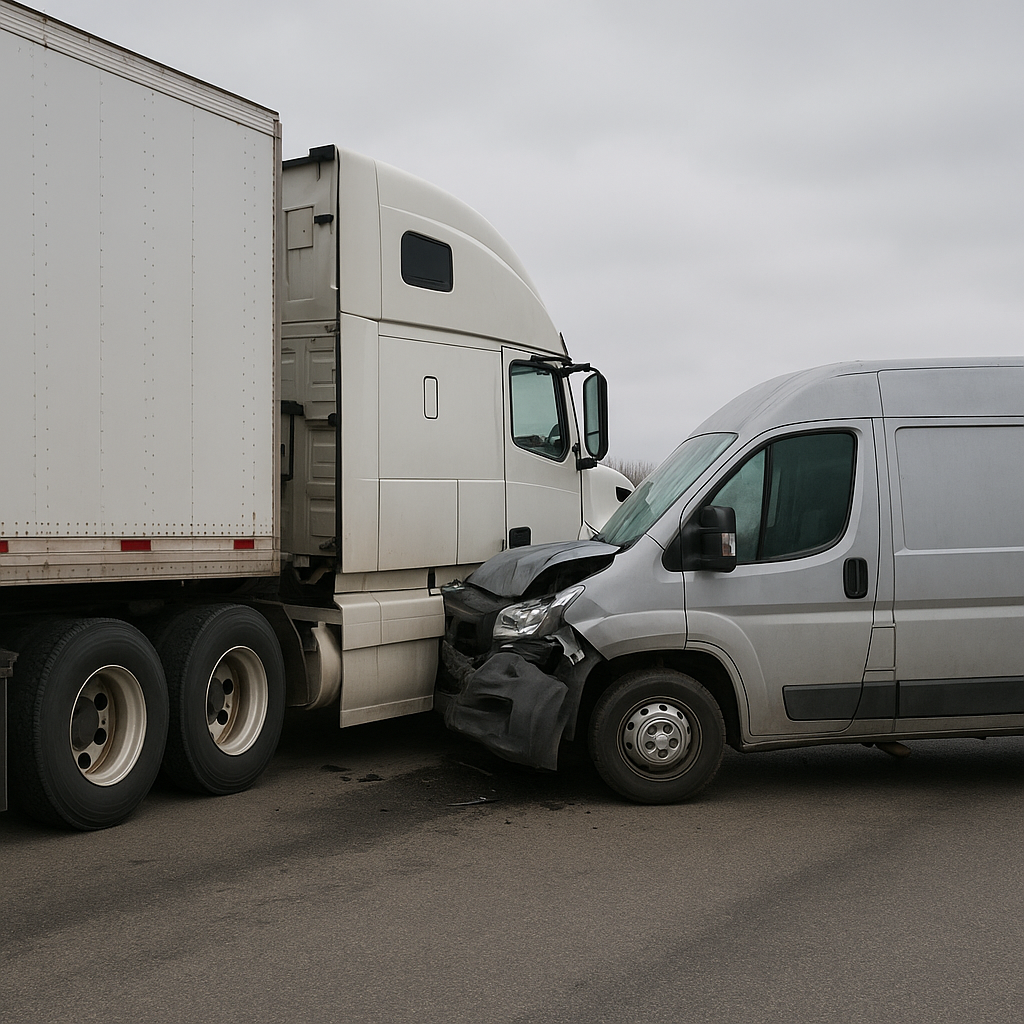
After a serious truck accident, the aftermath can feel overwhelming for those involved. Victims are often left dealing with physical, emotional, and financial consequences. As the dust settles, complex legal matters quickly emerge. Many people want to understand their rights, what they might be entitled to, and the possible pitfalls in seeking compensation. These concerns make the question—what legal issues arise after serious truck injuries—a common and important one.
Concerns often focus on medical expenses, lost income, and long-term effects on daily life. Truck accidents frequently involve catastrophic injuries due to the size and weight of commercial vehicles. Understanding the relevant legal issues helps injured individuals and their families plan their next steps, navigate insurance claims, and interact with multiple parties who may be responsible.
Clear Explanation
Numerous complex legal issues can arise after someone is seriously injured in a truck accident. Because commercial trucking is governed by both state and federal regulations, these cases are often more complicated than typical car accidents. The primary legal issues involve:
1. Determining Liability
Unlike car crashes where there may be just one at-fault driver, truck accidents often involve several parties. Potentially liable parties include:
– The truck driver
– The trucking company (employer)
– The loading company
– Maintenance providers
– Manufacturers of truck parts
Liability may extend beyond the driver to companies responsible for the truck’s operation, maintenance, or cargo. The legal principle of “vicarious liability” means employers can sometimes be held responsible for their employees’ actions.
2. Compliance with Regulations
Trucking companies and drivers must comply with strict regulations, notably those set by the Federal Motor Carrier Safety Administration (FMCSA). Key rules cover:
– Maximum driving hours (to prevent fatigue)
– Maintenance schedules
– Driver qualification standards
– Alcohol and drug testing requirements
Failing to meet these regulations could establish “negligence per se,” which can impact how fault is determined.
3. Insurance Complexities
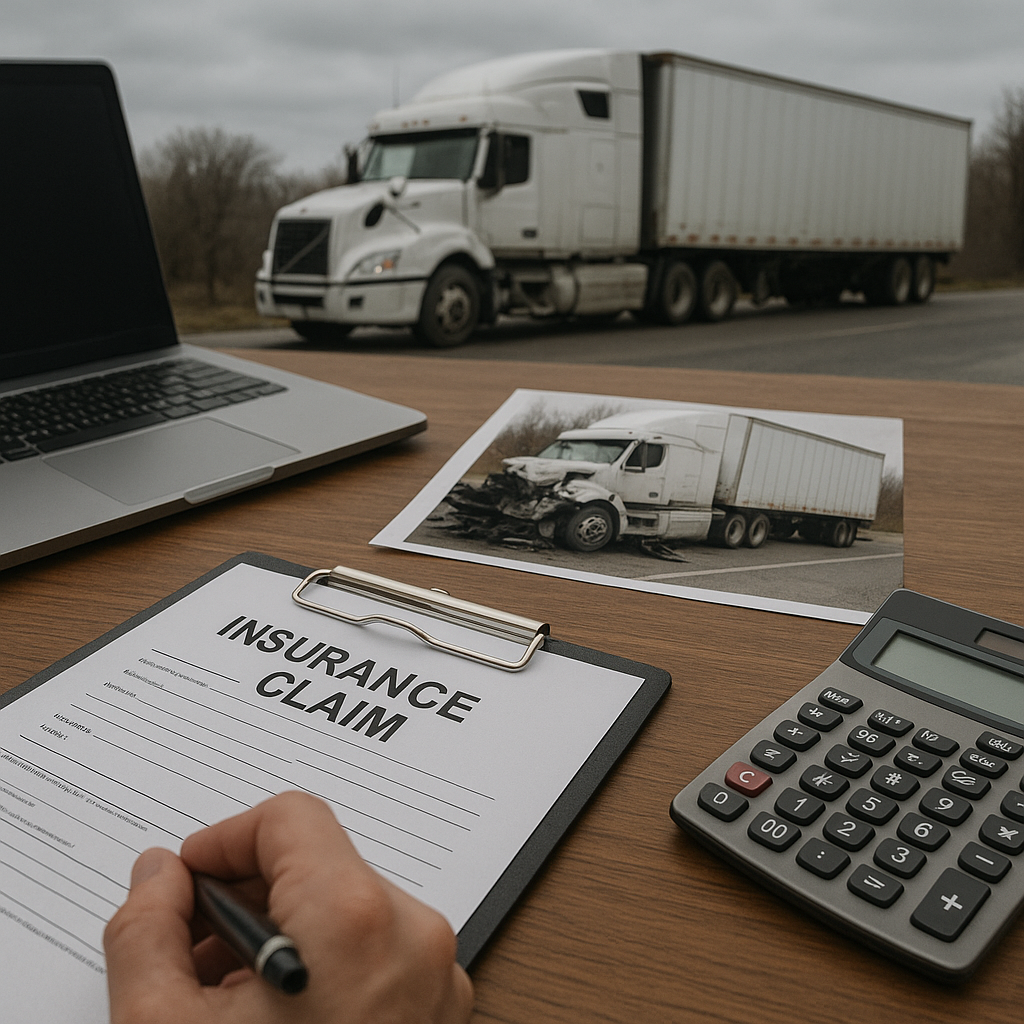
Truck companies are usually required to carry significant liability insurance. However, policies may involve multiple insurers and layered coverage structures. Resolving insurance claims can be drawn out and contentious, particularly when severe injuries are involved and damages are substantial.
4. Evidence Collection and Preservation
Important evidence in truck accident cases may be controlled by the trucking company, including:
– Electronic logging device (ELD) data
– On-board computers/black box data
– Maintenance and inspection logs
– Employment and training records
Securing this evidence quickly is crucial, as it may be lost or altered with time.
5. Damages Calculation
Serious truck injuries often result in:
– Extended hospital stays
– Lifelong disability or impairment
– Ongoing rehabilitation and therapy
Calculating fair compensation involves more than just immediate medical expenses. It may encompass future medical costs, lost earning capacity, pain and suffering, and loss of enjoyment of life.
6. Comparative Fault and Defense Arguments
Defendants may claim that the injured party shares responsibility for the accident. States have different “comparative fault” or “contributory negligence” laws, which affect how much a seriously injured person can recover if they are found partially at fault.
Helpful Context
Truck accident cases are distinct from other motor vehicle cases because of the interplay between state tort law and federal safety rules. The FMCSA provides a framework aimed at promoting highway safety, but state laws determine how claims are filed and resolved. Often, multiple lawsuits are filed in state and federal courts simultaneously, making the legal process even more complicated.
There is also a higher chance of extensive damage and catastrophic injury in truck accidents, which raises both the financial stakes and the scrutiny of investigations. Police, insurance companies, private investigators, and sometimes even federal agencies may all become involved after a serious truck crash.
What People Often Wonder Next
After learning about the typical legal issues involved in truck injury cases, people frequently have additional questions. Some of the most common include:
– How long do I have to file a claim? (statute of limitations)
– What evidence do I need to support my case?
– Who pays my medical bills while the case is pending?
– How is fault actually determined in truck accident cases?
– Can I sue both the truck driver and their employer?
– What are the potential outcomes of a lawsuit or insurance claim?
– What happens if the responsible company is from out of state?
These questions highlight the complicated nature of truck accident litigation and the many factors that influence the outcome of each case.
Common Misconceptions
Many people assume that the truck driver alone is responsible for a truck accident, or that insurance will automatically cover all damages. Another misconception is that the process is similar to a standard car accident claim, when in reality, truck injury cases are unique due to their complexity, the number of parties involved, and the specialized regulations governing the trucking industry.
Others may think that proving liability is simple if the driver received a citation or criminal charges. However, civil liability involves different standards and requires its own thorough investigation.
—
The legal issues surrounding serious truck injuries are multifaceted and often require navigating a maze of liability questions, regulatory concerns, insurance challenges, and detailed evidence. Understanding these challenges provides important context for anyone facing the aftermath of a severe truck accident.