

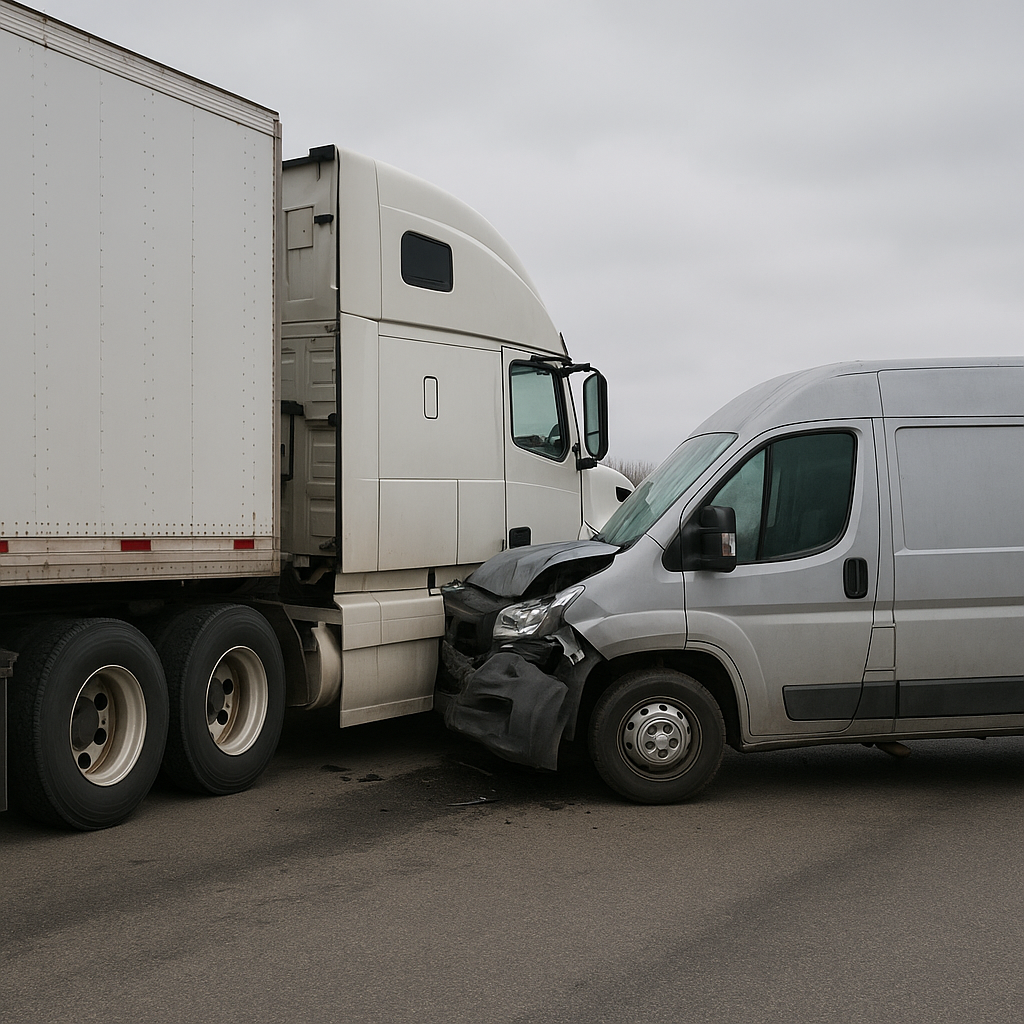
How Claim Handling Differs for Commercial Vehicles
When managing claims related to truck injuries, the process can differ significantly from personal vehicle claims due to the complexity and scale involved. Filing a claim for a commercial vehicle involves various factors including federal regulations, different types of insurance coverage, and multiple stakeholders. Let’s delve into how claim handling differs for commercial vehicles.
What Filing or Managing a Claim Involves
Filing or managing a claim for a commercial vehicle is a multifaceted process that requires attention to detail due to the legal and financial implications involved. The primary aim is to ensure that the injured party receives compensation, and/or that the liable party is responsible for covering the costs related to the accident.
The process starts with gathering necessary documentation such as accident reports, witness statements, and any available video footage. Additionally, commercial vehicle claims often involve communicating with multiple insurers and legal experts, given the more substantial coverage amounts and potential liability.
Claims handlers need to assess the extent of vehicle damage, review medical records, evaluate loss of income, and possibly manage repair or replacement of the commercial vehicle. This process is thorough and time-consuming due to the higher stakes involved.
When This Step Usually Occurs
The claim filing typically begins immediately after an accident involving a commercial vehicle. It is crucial to initiate the process promptly to ensure all necessary information is gathered and documented accurately. Insurers and legal teams often advise starting the claim within a few days post-accident to ensure compliance with various regulations and to secure prompt recovery or liability determinations.
What Information is Commonly Required
Filing a commercial vehicle claim requires more extensive documentation than a standard vehicle accident due to the broader scope and scale involved. Here are some of the typical information elements required:
1. Accident Details: Thorough descriptions, including where and how the accident occurred, the vehicles involved, and the timeline.
2. Driver Information: Details about the driver of the commercial vehicle, including licensure, certifications, and hours-of-service logs to ensure compliance with federal regulations.
3. Vehicle Records: Information about the commercial vehicle, such as maintenance records, inspection reports, and ownership details.
4. Insurance Policies: Copies of the commercial vehicle’s insurance policy, as well as any other relevant policies, ensuring coverage details are clear.
5. Witness Statements: Accounts from anyone who witnessed the accident can provide additional perspectives and help substantiating claims.
6. Police Reports: Official documentation from law enforcement authorities that includes their assessment of the incident.
7. Medical Records: For injuries sustained, detailed medical reports can substantiate claims related to physical harm or mental distress.
8. Financial Documents: Any financial losses incurred due to the accident, including loss of income or other economic impacts stemming from the incident.
Common Challenges People Face
Handling commercial vehicle claims presents unique challenges primarily because of the scale and regulatory complexity involved.
– Regulatory Compliance: Commercial vehicles are subject to federal and state regulations, which makes compliance a common issue. These include weight restrictions, hours-of-service rules, and mandatory inspections, all complicating claims if any non-compliance is detected.
– Large Settlements: Due to the potential for more significant damages and injuries, commercial claims often involve larger settlements, increasing the intricacy of negotiations and claim assessments.
– Multiple Stakeholders: The involvement of various parties such as employers, insurers, and legal teams can make claim resolution a drawn-out process.
– Proving Liability: Establishing fault can be more complex due to contributory negligence factors, especially if the accident involves multiple parties and conflicting witness accounts.
– Documentation: The volume and detail of documentation required can confuse or overwhelm those unfamiliar with the process, prolonging the claim management timeline.
– Cross-border Issues: For commercial vehicles operating internationally, resolving claims can be further complicated by differing legal standards and jurisdictional challenges.
Factors that Affect Claim Complexity
Multiple factors can affect how complex a commercial vehicle claim may become:
– Nature of Business: The type of cargo or service provided by the vehicle can complicate claims, especially if transporting hazardous materials.
– Extent of Damage: The greater the damage, both physical and financial, the more comprehensive a claim will need to be.
– Injury Severity: Severe injuries demand more extensive medical documentation and can complicate negotiations due to the higher compensation being sought.
– Insurance Policy Nuances: Variations in coverage levels or exclusions can introduce complexities in determining what costs are covered.
– Evidence Availability: Lack of clear evidence or missing documentation can hinder efficient claims processing.
In conclusion, handling claims for commercial vehicles involves navigating a labyrinth of regulations, extensive documentation, and multi-party negotiations. Understanding these intricacies and challenges enables more effective management and resolution of claims, although the process invariably remains layered and demanding.