
What Happens Legally After a Truck Injury?
Why People Ask This Question
The aftermath of a truck injury is overwhelming, often leading to confusion and uncertainty about what steps follow the accident. People ask, “What happens legally after a truck injury?” because the legal landscape is different than in standard car accidents. Truck collisions routinely involve more severe injuries and extensive property damage, and the legal consequences can include multiple parties, unique regulations, and complex insurance policies. Understanding the “legal aftermath truck injury” process helps those involved know what to expect and how to respond.
Clear Explanation
After a truck injury, a series of legal steps begin. The process primarily revolves around investigating the accident, determining liability, handling insurance claims, and possibly pursuing litigation. Each step is designed to establish what happened, who was responsible, and how compensation might be distributed.
1. The Investigation Phase:
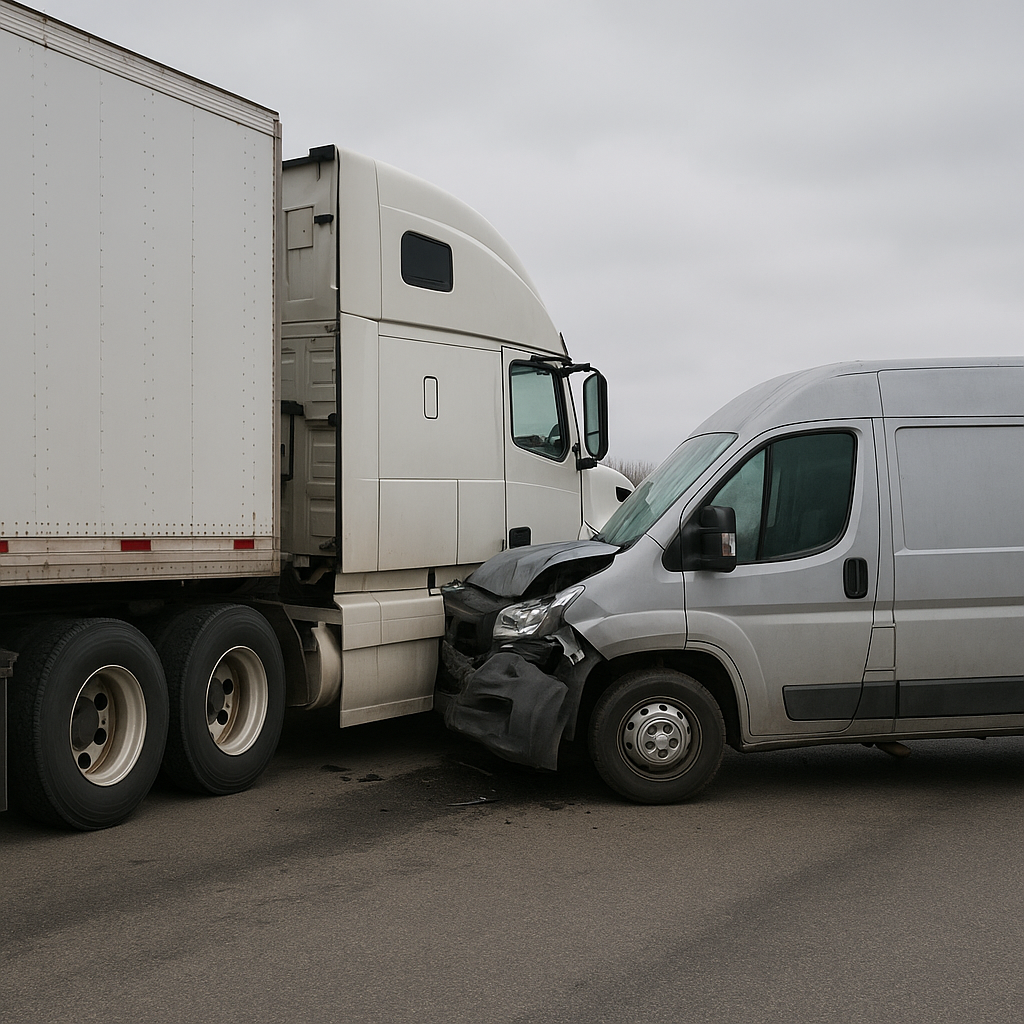
Law enforcement responds to the accident scene and conducts a preliminary investigation. This often includes accident reconstruction, taking statements, and gathering physical evidence such as skid marks or vehicle debris. Commercial trucks are subject to federal and state regulations, and agencies like the Department of Transportation may participate in the investigation, focusing on things like the driver’s logbooks, truck maintenance records, and potential violations.
2. Determining Liability:
Compared to other accidents, determining who is at fault in a truck injury case is more complex. Liability isn’t limited to just the driver; it can extend to the trucking company, cargo loaders, vehicle manufacturers, or third-party maintenance providers. The legal aftermath of a truck injury often requires identifying all potentially responsible parties.
3. Insurance Claims:
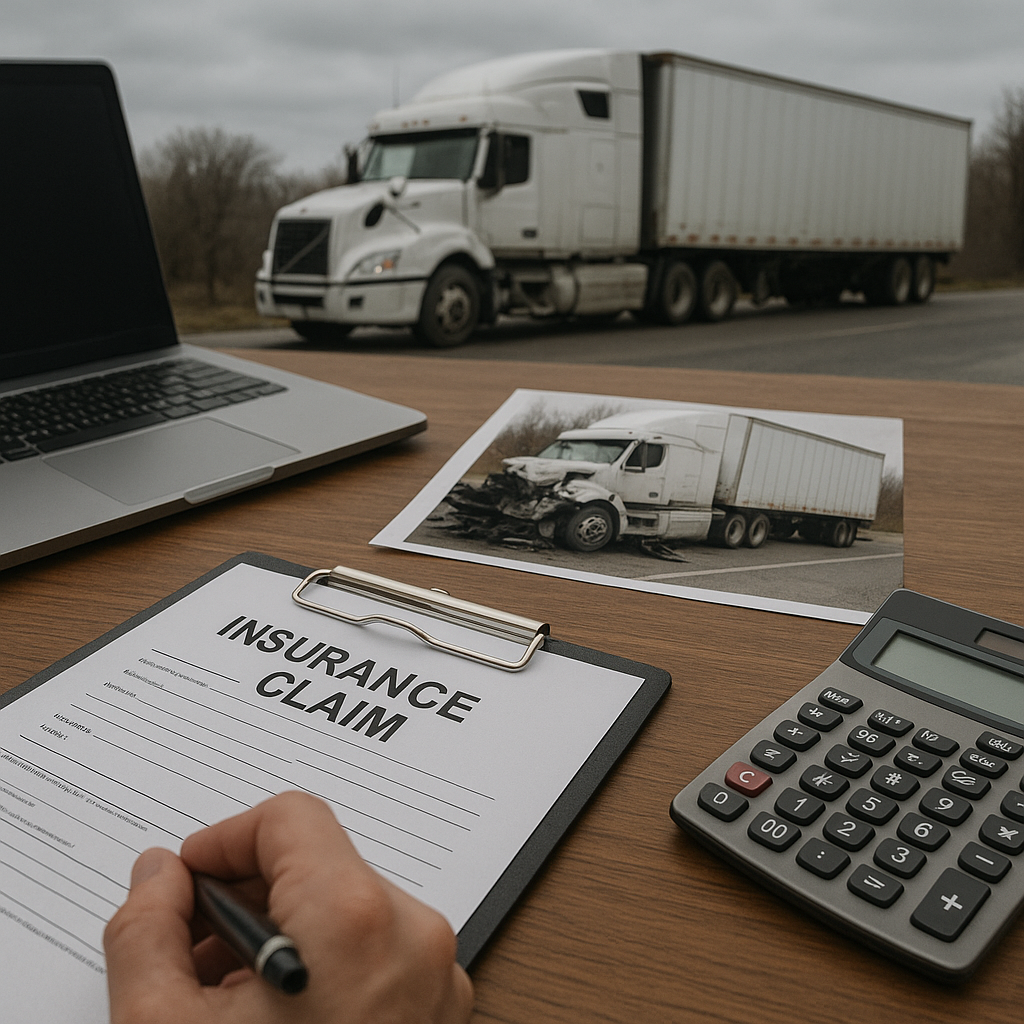
Trucking companies typically maintain high-limit insurance policies due to the scale of potential harm. Multiple insurers may be involved, and they will launch their own investigations. The injured party (or parties) file claims, providing documentation of injuries and damages. Insurers may negotiate, deny, or settle claims, all within the framework of state and federal laws governing commercial vehicles.
4. Litigation and Settlement:
If a settlement is not reached through insurance negotiations, the matter may proceed to court. A lawsuit can involve extensive discovery (exchanging evidence), depositions, and possibly a trial, where a judge or jury determines liability and awards damages. Many cases settle at some point before reaching a final verdict.
5. Regulation Compliance:
Truck accident cases often intersect with regulations from federal entities like the Federal Motor Carrier Safety Administration (FMCSA). Evidence of regulatory violations—such as excessive hours on the road, inadequate training, or poor vehicle maintenance—can play a significant role in the legal outcome.
Helpful Context
The legal aftermath of a truck injury is rarely straightforward. Trucking involves complex business models, with vehicles potentially owned by one company, operated by another, and maintained by a third party. Determining which company held responsibility at the time of the accident is central to legal proceedings. Additionally, federal regulations set higher standards for truck drivers regarding rest, drug testing, and documentation, compared to non-commercial drivers. Violations of these rules can have a significant legal impact.
Lawsuits after truck injuries typically involve substantial documentation, including police reports, witness statements, photographs, electronic logging device (ELD) data, and company safety records. The degree of injuries often leads to greater scrutiny from both medical experts and legal representatives.
What People Often Wonder Next
Once basic questions about the legal process are answered, people often wonder about timelines, compensation, and the specific roles of different parties:
– How long does the legal process take? Truck injury cases can take months or even years to resolve, due to the complexity and number of parties involved.
– Who pays for damages and medical bills? This typically depends on liability determinations and the insurance coverage in place.
– Can more than one party be held responsible? Yes, and it is common for multiple entities to share liability following a truck accident.
– What types of compensation are available? Compensation may cover medical expenses, lost wages, pain and suffering, and property damage. In some instances, punitive damages may also be considered if gross negligence is proven.
– Are there special legal deadlines? Yes, statutes of limitations apply, and missing these deadlines can prevent a claim from being considered.
Common Misconceptions
“The truck driver is always at fault.”
While truck drivers are often scrutinized, they are not always the ones legally responsible. Sometimes cargo was improperly loaded by a separate company, or a manufacturer’s defect caused the accident.
“Insurance will automatically cover all damages.”
Insurance claims are not always fully paid or even accepted. Disputes over the extent of injuries, cause of the accident, or coverage limitations are common.
“Lawsuits guarantee large settlements.”
A lawsuit does not ensure a large payout. Settlement amounts depend on clear evidence, degree of liability, and applicable insurance or legal limits.
“The process is quick and straightforward.”
In reality, the legal aftermath of a truck injury often involves lengthy investigations, negotiations, and potential litigation due to the high stakes and complexities involved.
—
Understanding the legal aftermath following a truck injury helps clarify why these cases require special attention. The involvement of various legal, regulatory, and insurance elements makes each situation unique, and navigating these steps is a fundamental part of what happens after such an accident.