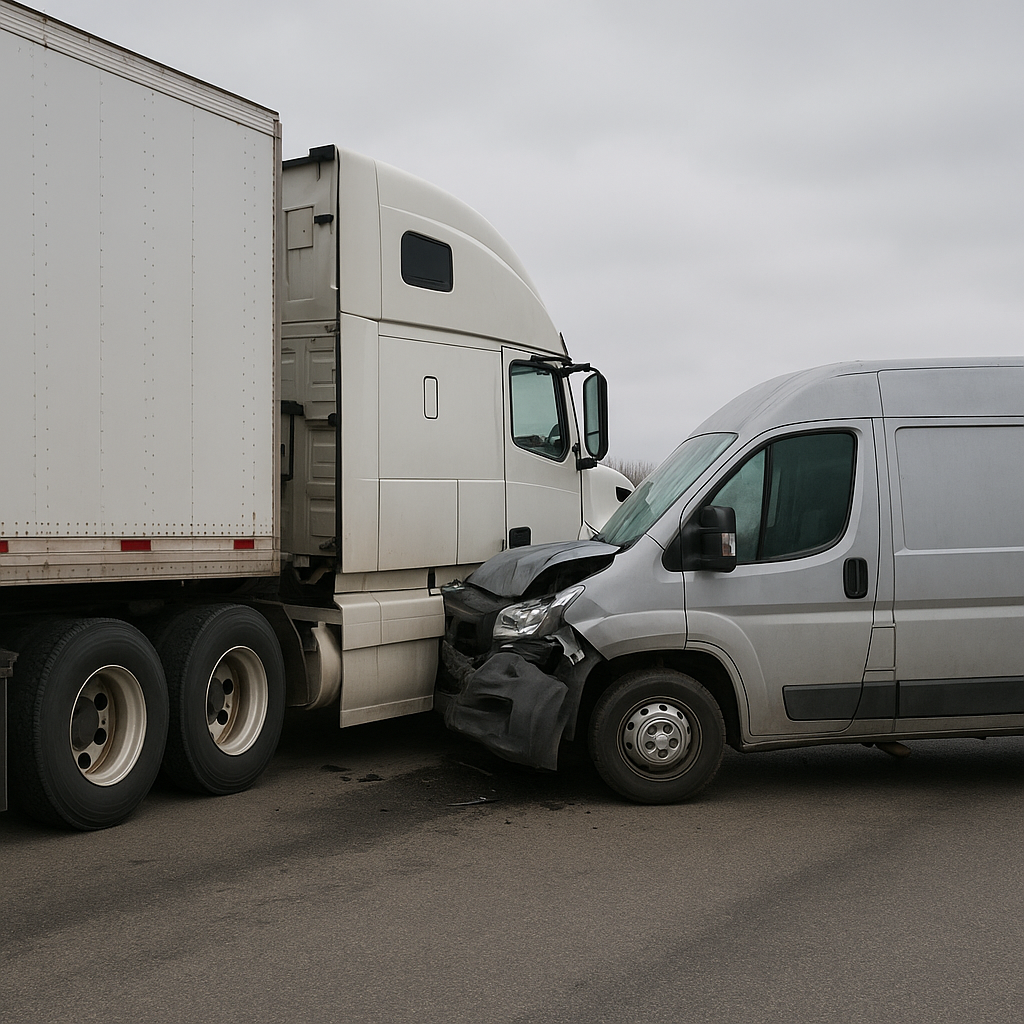


What Happens When Claim Timelines Extend: Impacts on Extended Claim Timelines for Truck Incidents
Handling truck injury claims can be a complex process, and when timelines are extended, it adds layers of intricacy that require careful navigation. Understanding the ins and outs of filing and managing these claims is crucial for anyone involved, from victims to insurance companies. This article dives into what happens when claim timelines extend, focusing on their impact in the realm of truck-related incidents.
What Filing or Managing a Claim Involves
Filing or managing a truck injury claim is a multi-step process that typically begins shortly after an incident. The primary objective of initiating a claim is to seek compensation for damages or injuries resulting from a truck accident. The process involves several key steps, including:
1. Notification and Investigation: The injured party or their representative usually files a claim with the insurance provider. An investigation follows, involving the examination of evidence, review of police reports, and interviews with witnesses.
2. Assessment and Documentation: After compiling the necessary information, the claim is assessed by the insurance company to determine the extent of liability and potential compensation. This requires meticulous documentation of medical reports, repair estimates, and other pertinent data.
3. Negotiations: Negotiations may ensue between the claimant and the insurance company to reach a settlement. This stage can be lengthy, especially if there are disagreements on the compensation amount.
4. Resolution or Litigation: If an agreement cannot be reached, the case might proceed to litigation, where a court will decide the outcome.
When This Step Usually Occurs
Claims generally need to be filed promptly to comply with statutes of limitations, which vary by jurisdiction. Typically, the process begins in the weeks immediately following the incident, as soon as the involved parties are able to gather the necessary documentation. Timely filing is essential to ensure that evidence remains accurate and accessible.
What Information is Commonly Required
To file or manage a truck injury claim, a comprehensive array of information is required. Commonly needed details include:
– Identification and Contact Information: Of the involved parties and any witnesses.
– Accident Details: Precise accounts of how, when, and where the accident took place.
– Vehicle Information: Details about the truck and any other vehicles involved, including photos if available.
– Police Reports: Official documentation to support claims of fault and provide a neutral account of the incident.
– Medical Records: Detailed accounts of injuries sustained and treatments received.
– Financial Documentation: Records of expenses incurred, such as medical bills and repair estimates.
– Communication Logs: Records of correspondence with involved parties, including insurance companies.
Common Challenges People Face
Managing and filing truck injury claims can be fraught with challenges. Some of the common issues encountered include:
– Complex Regulations: Different jurisdictions and insurance policies have varying rules, making it difficult to understand the process without expert guidance.
– Delayed Documentation: Gathering all necessary documents can take time, especially when dealing with extensive medical treatments or repair estimates.
– Disputed Liability: Disagreements on who is at fault can significantly extend the timeline, leading to prolonged negotiations or litigation.
– Insurance Delays: Processing claims often involves back-and-forth discussions that can delay settlement, particularly if the insurance company is hesitant to pay.
Factors That Affect Claim Complexity
While every truck injury claim is unique, certain factors can contribute to its complexity:
– Severity of the Accident: More severe accidents typically result in higher medical expenses and property damage, complicating negotiations.
– Multiple Parties Involved: Accidents involving multiple vehicles or legal entities can lead to intricate liability assessments and prolonged discussions.
– Regulatory Hurdles: The presence of specific regulatory issues, such as trucking company compliance or driver qualifications, can introduce complications.
– Cross-Jurisdictional Issues: Accidents that occur across state or national borders can involve additional legal intricacies.
Impacts of Extended Claim Timelines
When claim timelines extend, the stakeholders involved may experience a multitude of impacts:
Financial Strain
Extended timelines can impose financial strain on claimants who might rely on settlement funds to cover ongoing medical expenses or recover income lost due to an inability to work.
Emotional Stress
Dealing with the aftermath of a truck accident is stressful, and prolonged proceedings can add emotional burdens for people eager to attain closure and move forward with their lives.
Legal Implications
Extended timelines may impact legal strategies and increase litigation costs. This might discourage settlements and push cases toward court, leading to lengthy legal battles.
Erosion of Evidence
As time passes, evidence can become harder to collect or validate. Witness memories fade, and essential documents may be lost, complicating the truth-finding process.
Conclusion
Understanding how extended claim timelines impact truck incidents is vital for all parties involved in the process. By recognizing the inherent complexities of filing and managing such claims, stakeholders can better prepare for potential challenges. While extended timelines can bring financial, emotional, and legal hurdles, informed navigation through these intricacies can aid in a more efficient and effective resolution.