
What Happens During Secondary Claim Review Truck
In the aftermath of a truck accident, filing and managing claims can be a complex journey. The secondary claim review is a crucial phase that ensures fairness and accuracy in how claims are processed. Understanding this process can help set expectations and clarify what is involved in navigating through this stage effectively.
What Filing or Managing a Claim Involves
The management of a truck injury claim encompasses various stages, from gathering evidence to negotiating settlements. The primary goal is to achieve fair compensation for damages incurred due to the accident. Initially, the claim undergoes a preliminary investigation where basic facts and initial documentation are reviewed. If discrepancies or additional verifications are needed, the claim enters the secondary review phase.
When This Step Usually Occurs
The secondary claim review typically takes place after the initial review and before any final decision on compensation is made. This stage is crucial when the initial review lacks sufficient clarity or completeness. Insurers use this opportunity to delve deeper into the details of the claim, ensuring all necessary information is accurate and comprehensive before advancing the settlement process.
What Information is Commonly Required
To proceed with a secondary claim review for a truck accident, certain critical pieces of information are usually required:
– Accident Reports: Detailed reports from law enforcement and witnesses can provide insight into the incident.
– Medical Records: Comprehensive medical documentation is necessary to prove injury claims and treatment thereof.
– Insurance Policy Details: Clear information on insurance coverage and any previous claims history.
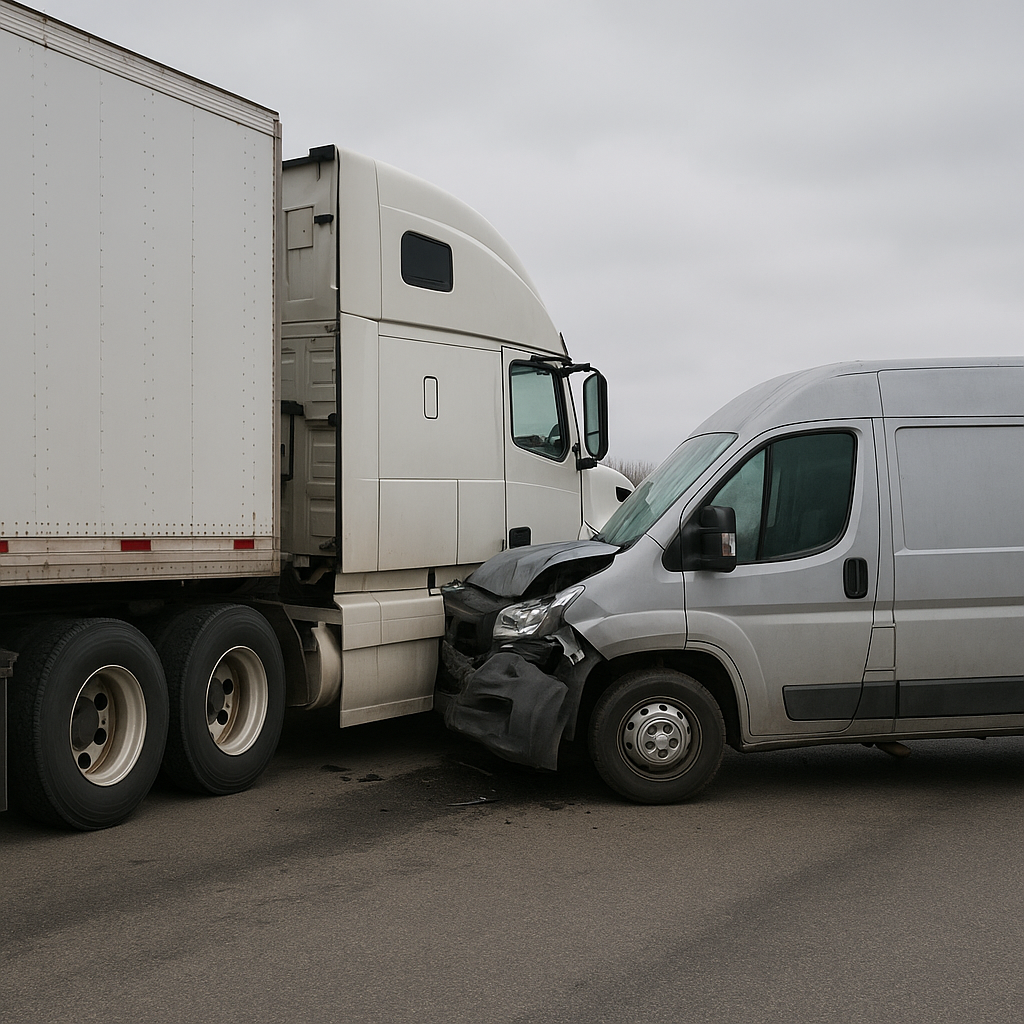
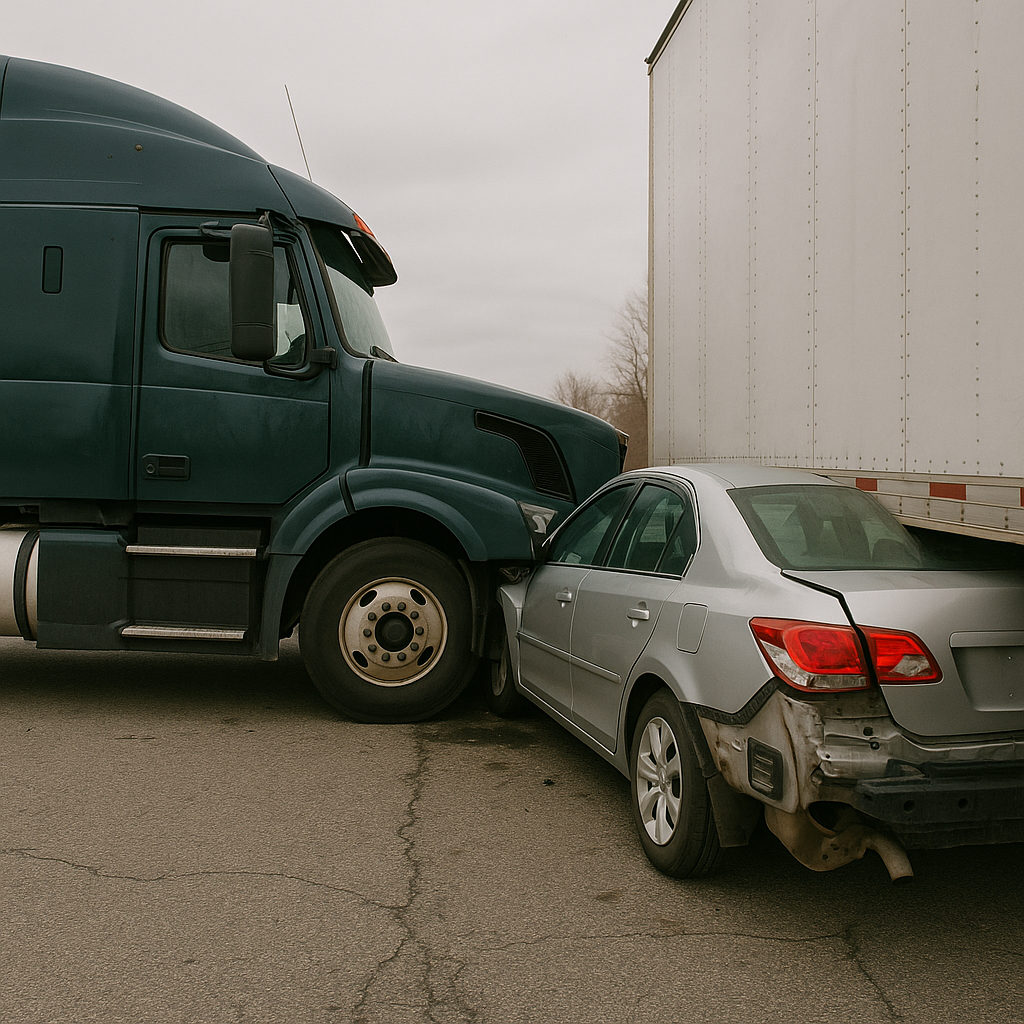
– Photographic Evidence: Photos of the accident scene and damage to vehicles can substantiate claims.
– Repair Estimates: Cost evaluations for vehicle damages are critical to assessing compensation amounts.
– Statements from Involved Parties: Detailed accounts from drivers, passengers, and witnesses are essential to verify claims.
Accurate and thorough documentation is imperative for the secondary review to proceed smoothly. Any incomplete or ambiguous information might lead to further inquiries, potentially prolonging the process.
Common Challenges People Face
Navigating the secondary claim review phase can be challenging due to several factors:
– Complex Documentation Requirements: Gathering and organizing vast amounts of paperwork can be overwhelming and time-consuming.
– Insurance Adjuster Delays: Adjusters managing multiple claims may cause delays, prolonging the review process.
– Disputed Liability or Fault: If there’s disagreement about who is at fault, the review could be extended to resolve these disputes.
– Medical Verification Delays: Acquiring timely and complete medical records from healthcare providers can sometimes be a hurdle.
– Communication Barriers: Miscommunication between the claimant and the insurance company or legal representatives can further complicate the process.
Thorough preparation and proactive communication can help mitigate these challenges, ensuring a smoother secondary review experience.
Factors That Affect Claim Complexity
Several elements can influence the complexity of a truck injury claim during the secondary review:
– Severity of Injuries: More severe injuries typically involve more extensive medical documentation and treatment records.
– Number of Parties Involved: Accidents with multiple affected parties can complicate liability determinations.
– Unclear Fault Determinations: Accidents without clear evidence of fault may require additional investigation, significantly complicating the claim.
– Policy Exclusions: Certain policy exclusions may apply, requiring further explanation and investigation during the review.
– Legal Regulations and Changes: Varying state laws and recent regulation changes can impact the complexity and duration of the review process.
Understanding these factors can help claimants and insurers anticipate potential complications and prepare accordingly, ensuring a more efficient secondary review process.
In conclusion, the secondary claim review phase in truck accident claims is a vital process. It involves meticulous examination of all gathered information and documentation to ensure a fair and just settlement. By being well-informed about what this stage entails and the common challenges that may arise, one can navigate the process with clarity and confidence.