
Understanding Primary and Secondary Insurance Coverage
Overview of Insurance or Liability Issues
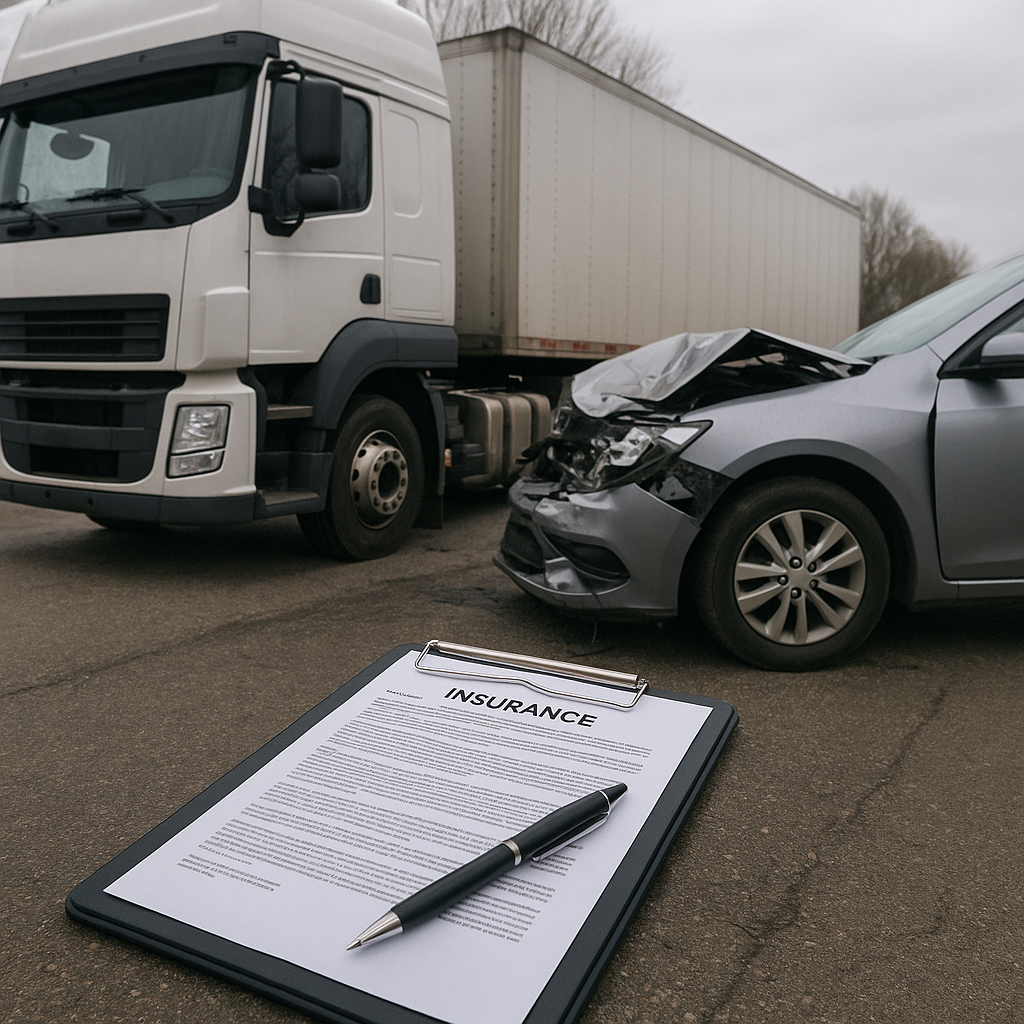
Insurance exists to provide financial protection and allocate risk among involved parties after an accident or loss. In the context of motor vehicle incidents, particularly those involving large commercial vehicles like trucks, the concepts of primary and secondary insurance coverage often become vital points of examination.
Primary insurance is the first layer of coverage that must respond to a claim. It generally has the responsibility to pay for damages or defend the insured party up to the policy’s limits. Secondary insurance, sometimes referred to as “excess” or “umbrella” coverage, activates when the primary policy’s limits have been reached or when specific contingencies arise.
Understanding the hierarchy between these policies is crucial because accidents involving multiple vehicles, especially with commercial trucks, can quickly surpass individual policy limits, triggering the need for subsequent coverage layers. In these scenarios, knowing how primary and secondary insurance operates helps clarify the allocation of liability and payment responsibilities among insurers and parties.
How These Issues Arise After Truck Accidents
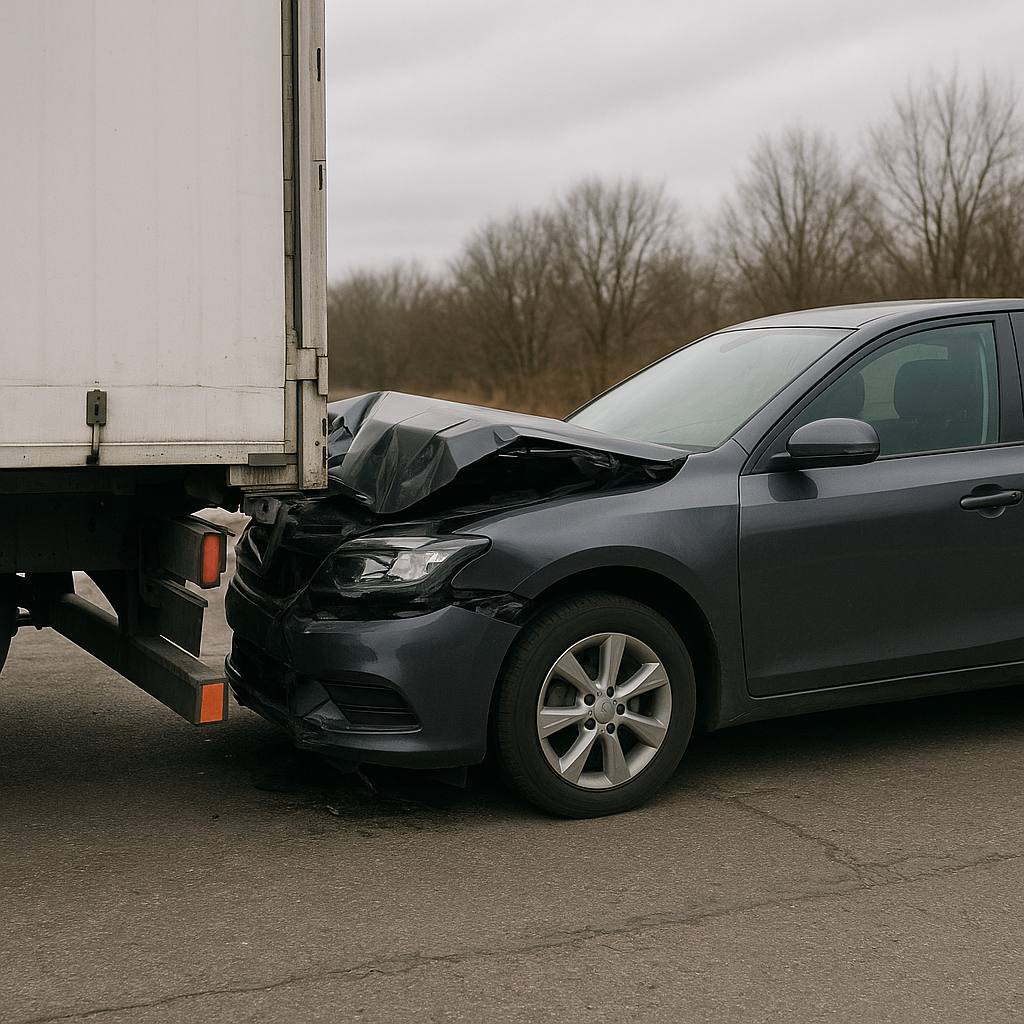
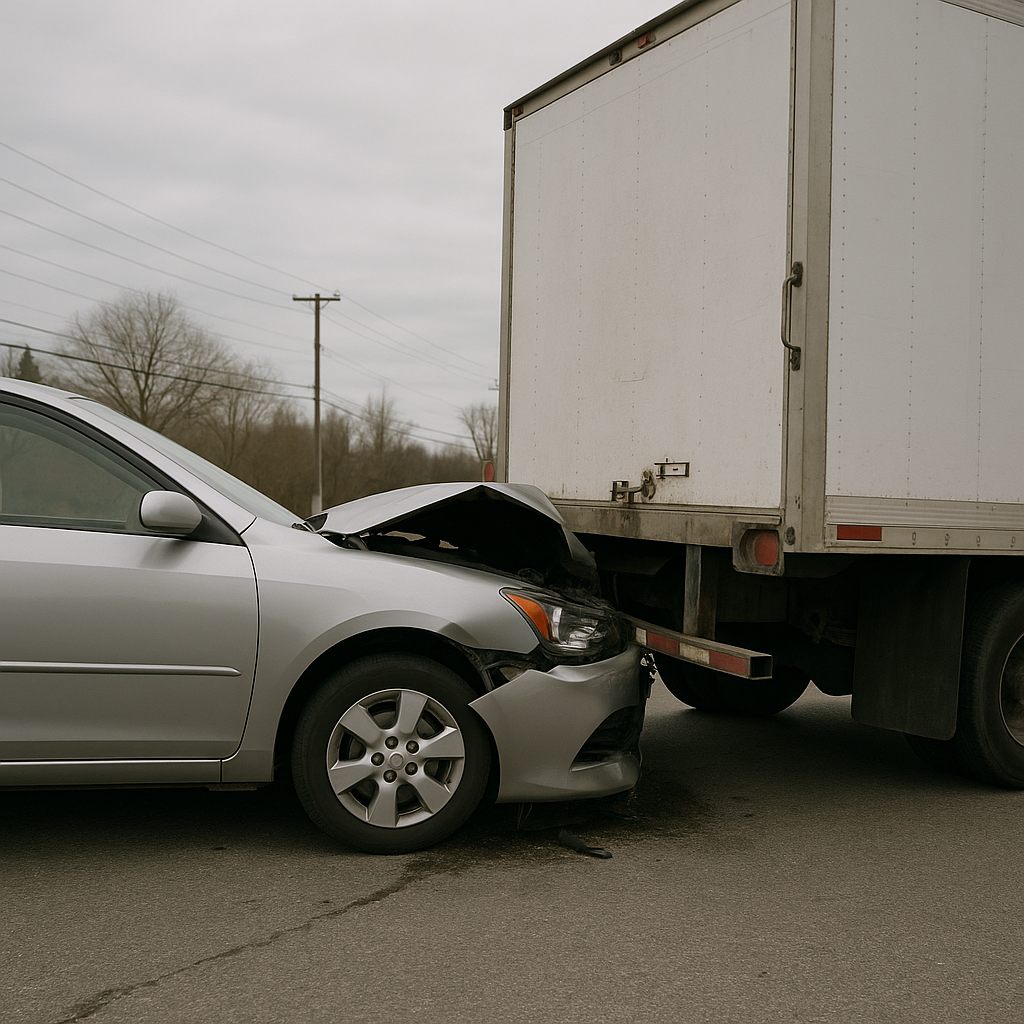
Truck accidents often involve significant property damage, personal injuries, or even fatalities. Due to the high value of claims and the complexity of commercial relationships, questions about which insurance policies apply—and in what order—arise frequently.
A typical truck-related accident may involve:
– The truck driver as an employee or independent contractor
– The trucking company that owns or leases the truck
– An insurance policy issued to the trucking company (primary insurance)
– An insurance policy held by the driver, separate from the company (potential secondary insurance)
– Additional excess insurance policies carried by either party
– Third-party contractors, cargo owners, and other entities, each with their own coverage
After an incident, the parties involved, their insurers, and sometimes the courts must determine whether coverage applies as primary, secondary, or excess. The goal is to identify which insurer must respond first and which may have to pay if the damages exceed the primary policy’s limits. Disputes can occur when insurers disagree on the order of responsibility or the scope of the policies involved.
Policy Language and “Other Insurance” Clauses
The specifics often hinge on the actual language within each policy. Many insurance contracts include “other insurance” clauses, which are provisions stating how that coverage will respond when more than one policy may apply to the same loss. These clauses may stipulate that a policy is primary, specifically excess, or even “pro-rata,” sharing responsibility with other insurers. Determining the interplay between various policies is often a primary secondary insurance truck dispute, especially in high-value or multi-party accidents.
Parties Commonly Involved
Determining the sequence of insurance coverage following a truck accident requires an understanding of all the involved parties and their respective insurance arrangements. The following parties are commonly engaged in such cases:
1. Truck Driver: The individual operating the commercial vehicle may either be an employee of a trucking company or functioning as an independent contractor. In both instances, the driver may have a separate insurance policy, which could potentially serve as either primary or secondary insurance.
2. Trucking Company (Motor Carrier): Most commercial operations maintain robust insurance policies required by federal and state law. Typically, these policies are designed to act as the primary source of coverage for accidents arising out of the company’s operations.
3. Vehicle Owners: Sometimes, the truck is not owned by the driver or the trucking company but is leased from a third party, which may maintain its own insurance on the vehicle.
4. Brokers and Shippers: Companies that contract with trucking firms to move goods often require certain insurance arrangements, which can include “contingent” (secondary) coverage.
5. Cargo Owners/Interests: If the accident involves significant cargo losses, additional insurance policies addressing the cargo’s value may become involved, separate from the vehicle liability policies.
6. Other Motorists and Their Insurers: In multi-vehicle accidents, insurance companies representing other involved motorists may also engage in the determination of primary and secondary responsibilities.
Each party’s insurer may approach coverage obligations differently based on their own policy terms, leading to potential complications in the aftermath of serious truck accidents.
Common Sources of Confusion
Understanding which insurance coverage is primary and which is secondary for truck accidents can be challenging because of several common sources of confusion.
1. Overlapping Coverage
It is not uncommon for multiple policies to contain language indicating they are “excess” over other insurance policies. When two or more insurers each assert that their policy is secondary to the other, determining which is truly primary may require interpretation by legal professionals or a court.
2. Independent Contractors Versus Employees
The employment status of the driver can greatly affect the sequence of coverage. If a driver is classified as an employee, the trucking company’s policy is typically primary. If the driver is an independent contractor, there may be more debate as to whether the individual’s own policy or the company’s policy pays first.
3. Lease and Indemnity Agreements
Truck leasing arrangements often specify insurance requirements, which can alter the hierarchy of coverage. Contractual indemnity agreements between parties may also shift primary and secondary obligations, adding another layer of complexity.
4. “Other Insurance” Clauses
Both primary and secondary policies often include “other insurance” clauses that attempt to define their role relative to each other. Variations in policy language, such as “escape,” “excess,” or “pro rata,” can create disagreements about how claims should be allocated.
5. Jurisdictional Differences
Different states and federal regulations may have specific requirements regarding minimum insurance limits and the order of coverage. This can affect how primary and secondary insurance is determined, particularly when an accident involves parties from different jurisdictions.
6. Multiple Lines of Coverage
Most trucking operations carry not just auto liability policies, but also general liability, umbrella, and excess policies. The interrelationship between these lines can further obscure which insurer is responsible for paying a claim.
Why Truck Cases Differ from Car Accidents
Truck accidents present unique insurance and liability challenges compared to typical car accidents. The reasons for these differences include:
– Scale and severity: Truck accidents can result in catastrophic injuries and property damage, often exceeding the limits of individual auto policies and requiring multiple layers of coverage.
– Regulatory requirements: Commercial trucks are subject to federal rules (such as those from the Federal Motor Carrier Safety Administration) that mandate higher minimum coverage amounts and specific types of insurance.
– Complex business relationships: Trucking operations often involve multiple businesses, such as brokers, shippers, and independent contractors, each with a stake in the insurance hierarchy.
– Policy complexities: Commercial insurance policies are frequently customized and contain more nuanced language than standard personal auto policies, leading to more elaborate disputes over primary secondary insurance truck coverage.
Conclusion
In the aftermath of truck accidents, the identification and prioritization of primary and secondary insurance coverage are central to resolving liability and securing payment for damages. The process involves distinct parties, often overlapping policies, supplementary coverage layers, and significant legal and regulatory scrutiny. The complexity makes these cases markedly different from ordinary car accidents, underscoring the importance of careful evaluation of each insurance policy’s terms and the relationships between the involved parties. Understanding these distinctions helps demystify the insurance landscape when addressing the aftermath of commercial truck accidents.