
Understanding Impact Force Calculations
What Evidence or Investigation Involves
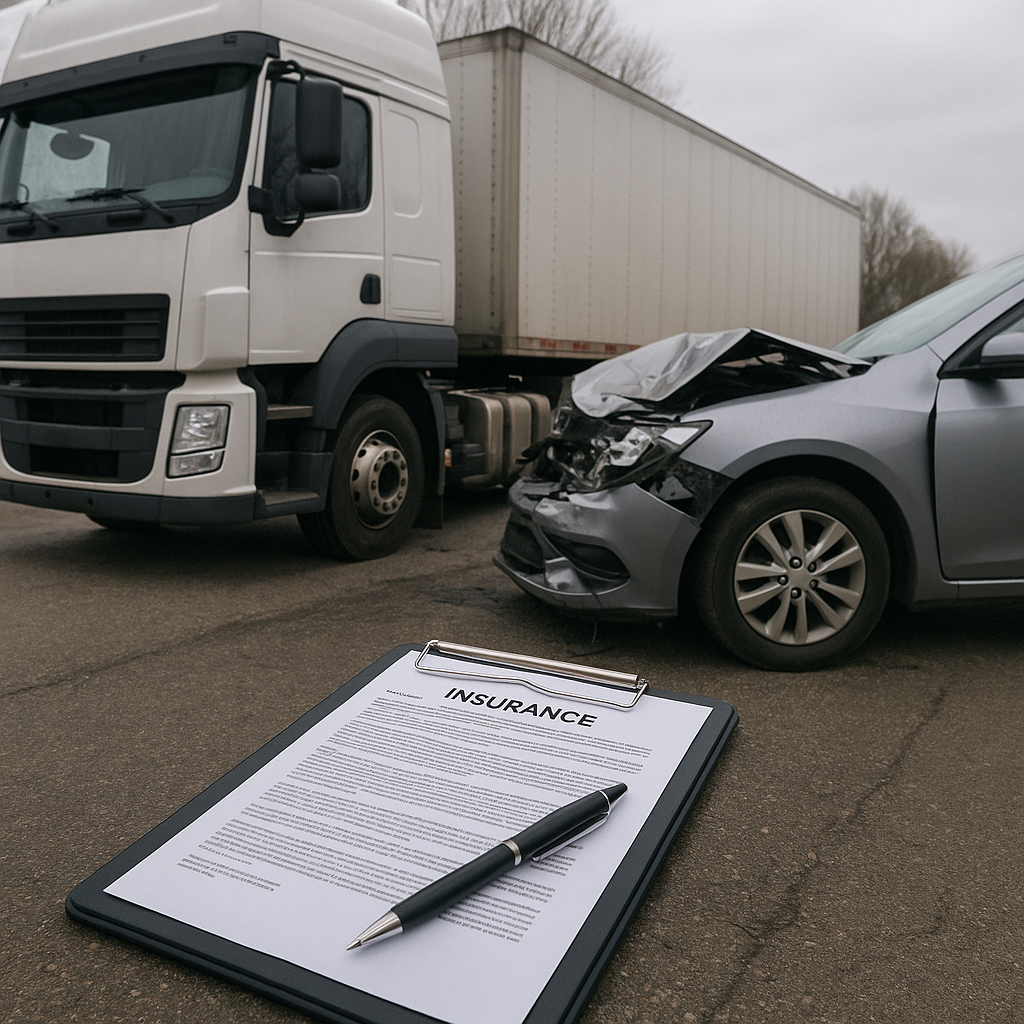
Investigations into impact force calculations often arise in the context of vehicle collisions, industrial accidents, or workplace incidents where forces exerted during impact need evaluation. In situations such as truck accidents, assessing “impact force calculation truck” becomes important for reconstructing events, understanding mechanisms of injury, or determining compliance with safety standards. These investigations aim to establish the magnitude of forces involved and the sequence of events leading to the impact.
When It Typically Occurs
Evaluations of impact force typically occur following events where a collision has resulted in significant property damage, injury, or fatality. In the case of trucks, impact force calculations are often featured in post-accident investigations, insurance assessments, legal proceedings, and safety audits. These analyses may be initiated by law enforcement, insurance companies, regulatory agencies, or private investigators soon after the incident.
Types of Information Often Reviewed
A broad array of data and evidence is commonly reviewed when performing impact force calculations in truck incidents. These include, but are not limited to:
– Vehicle mass and velocity at the time of impact
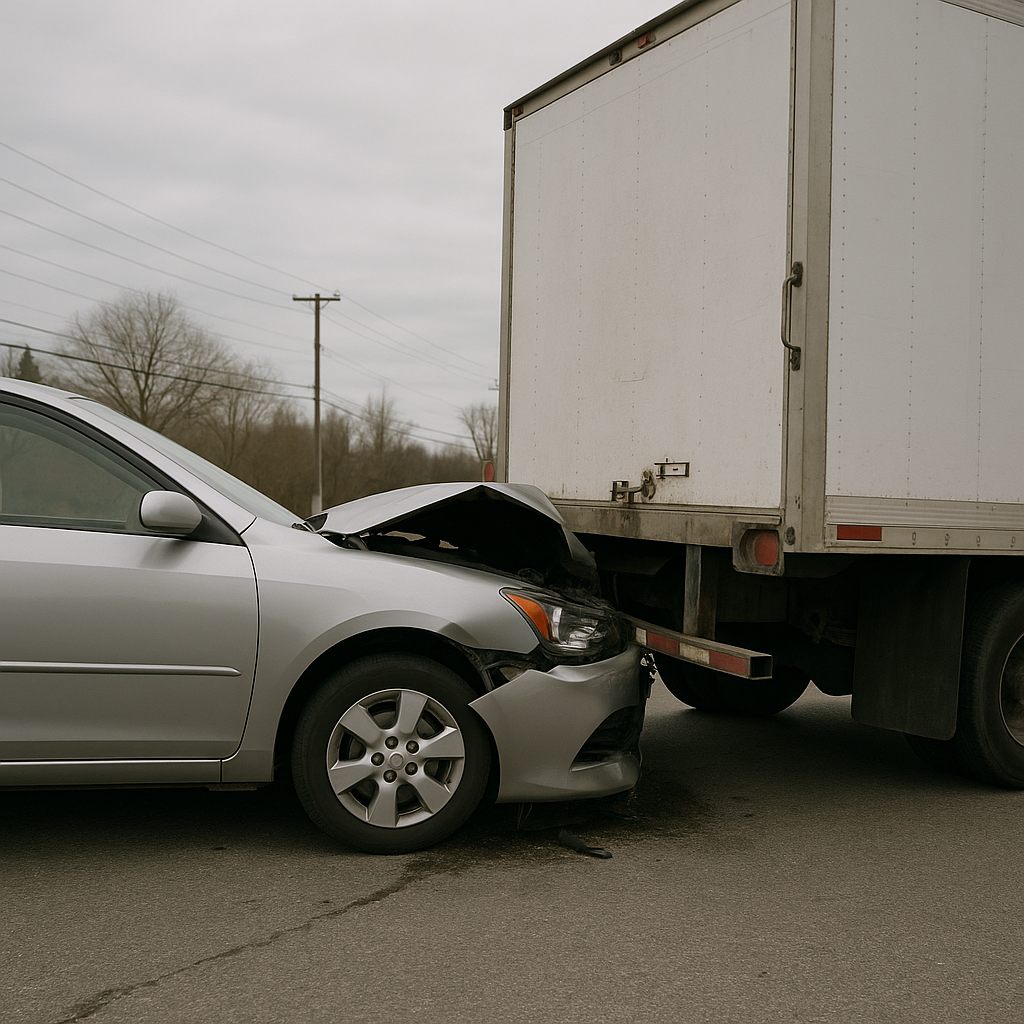
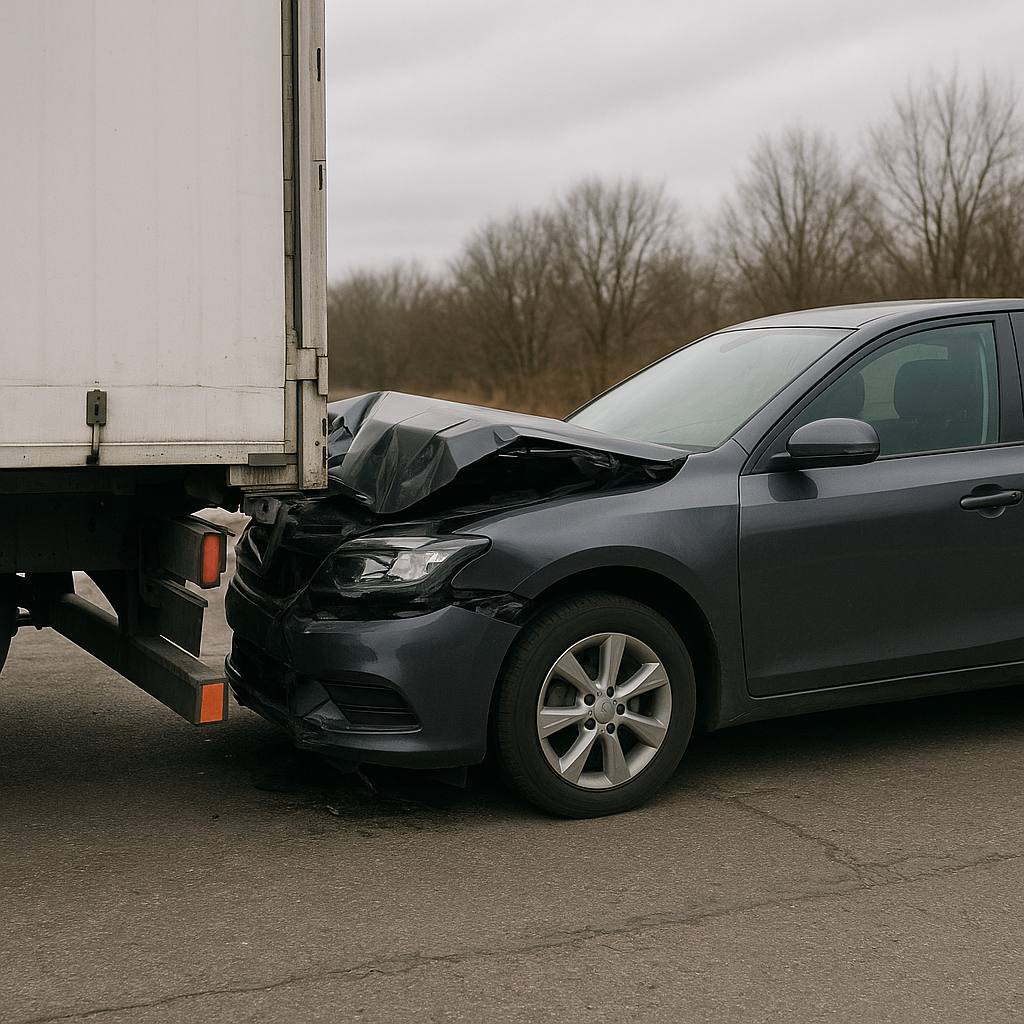
– Condition and deformation of involved vehicles
– Road surface characteristics and friction coefficients
– Physical evidence such as skid marks, debris patterns, and vehicle resting positions
– Onboard data from event data recorders or telematics systems
– Witness statements and video footage
– Weather and visibility at the scene
By carefully examining these details, experts are able to approximate the forces involved in the collision and reconstruct how the incident unfolded.
Why Evidence Matters
Accurate evidence is essential in impact force calculations because the findings influence various outcomes, including legal responsibility, insurance claims, and the design of safety protocols. Detailed evidence allows investigators to determine whether established safety standards were met and if mechanical failure or human error played a role. The precision of impact force calculations directly affects the reliability of the conclusions that are drawn, often impacting legal and financial repercussions for involved parties.
Factors That Complicate Investigations
Certain factors can complicate investigations into impact force calculations. These may include:
– Incomplete or contaminated scene evidence due to environmental factors, cleanup, or delayed investigation
– Lack of reliable data from vehicles, especially older models without digital recording systems
– Conflicting witness accounts or absence of visual documentation
– Complex accident dynamics involving multiple vehicles or secondary impacts
– Variations in truck load weight or shifting cargo at the time of collision
All these elements can introduce uncertainties and necessitate advanced analytical methods or expert consultations to resolve them.
Understanding impact force calculations, particularly in incidents involving trucks, plays a critical role in building a comprehensive picture of how and why accidents occur, promoting both accountability and safety in high-impact environments.