
Understanding Evidence Inconsistencies
What Evidence or Investigation Involves
Evidence is foundational in any investigation, serving as the basis for understanding events and supporting claims or refuting allegations. Evidence analysis involves collecting, preserving, and examining information from various sources. Investigation processes may cover physical evidence, digital records, witness statements, and expert analyses to construct a comprehensive picture of what occurred. In the context of evidence inconsistencies—such as those involving trucks in transportation incidents—the focus is on evaluating conflicting details or discrepancies that may affect the reliability of findings.
When It Typically Occurs
Inconsistencies in evidence often emerge during the investigative review phase. This typically occurs after the initial collection and documentation of facts but before drawing final conclusions. During this stage, investigators compare information from multiple sources, seeking alignment or identifying contradictions. For example, in incidents involving trucks, inconsistencies might arise in driver logbooks, surveillance footage, or vehicle tracking data. Recognition of these inconsistencies prompts further inquiry to determine the source and significance of any conflicting data.
Types of Information Often Reviewed
Several types of information are commonly examined for inconsistencies, especially in truck-related investigations:
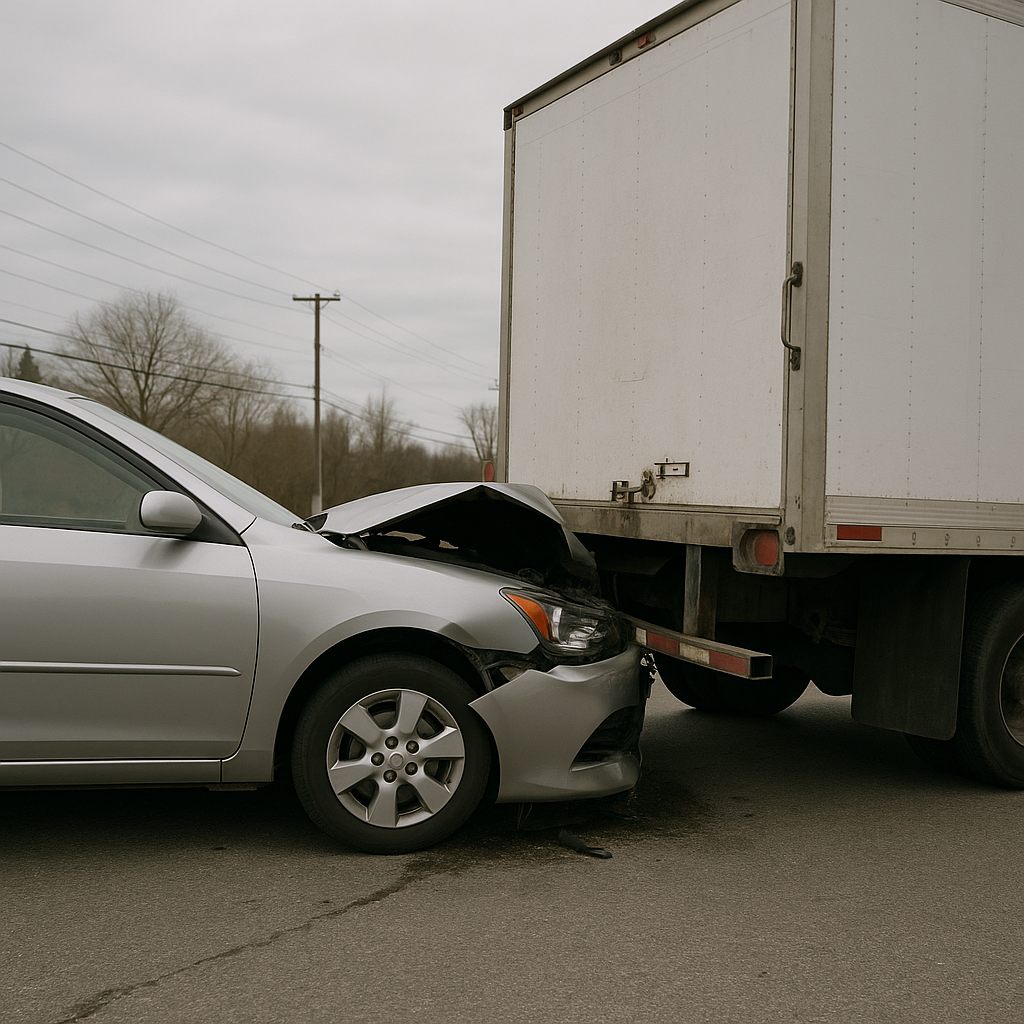
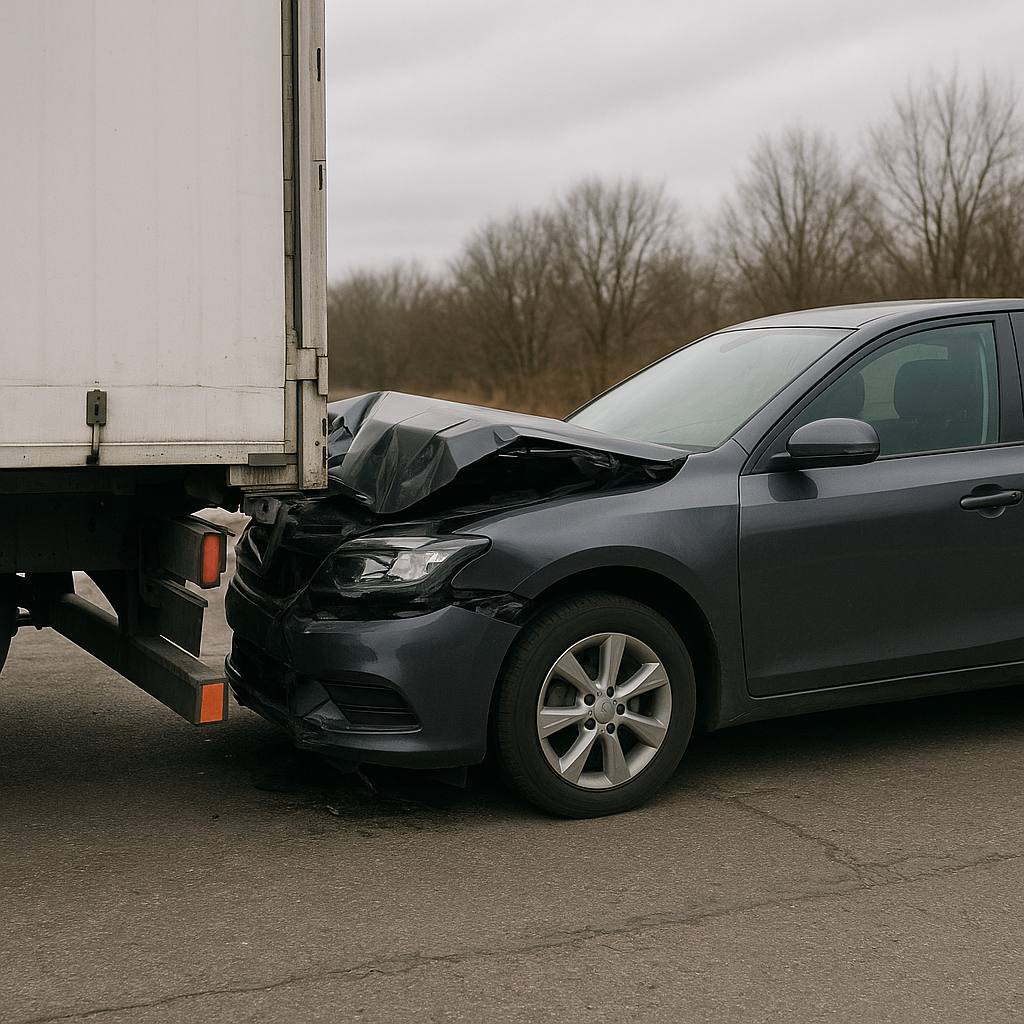
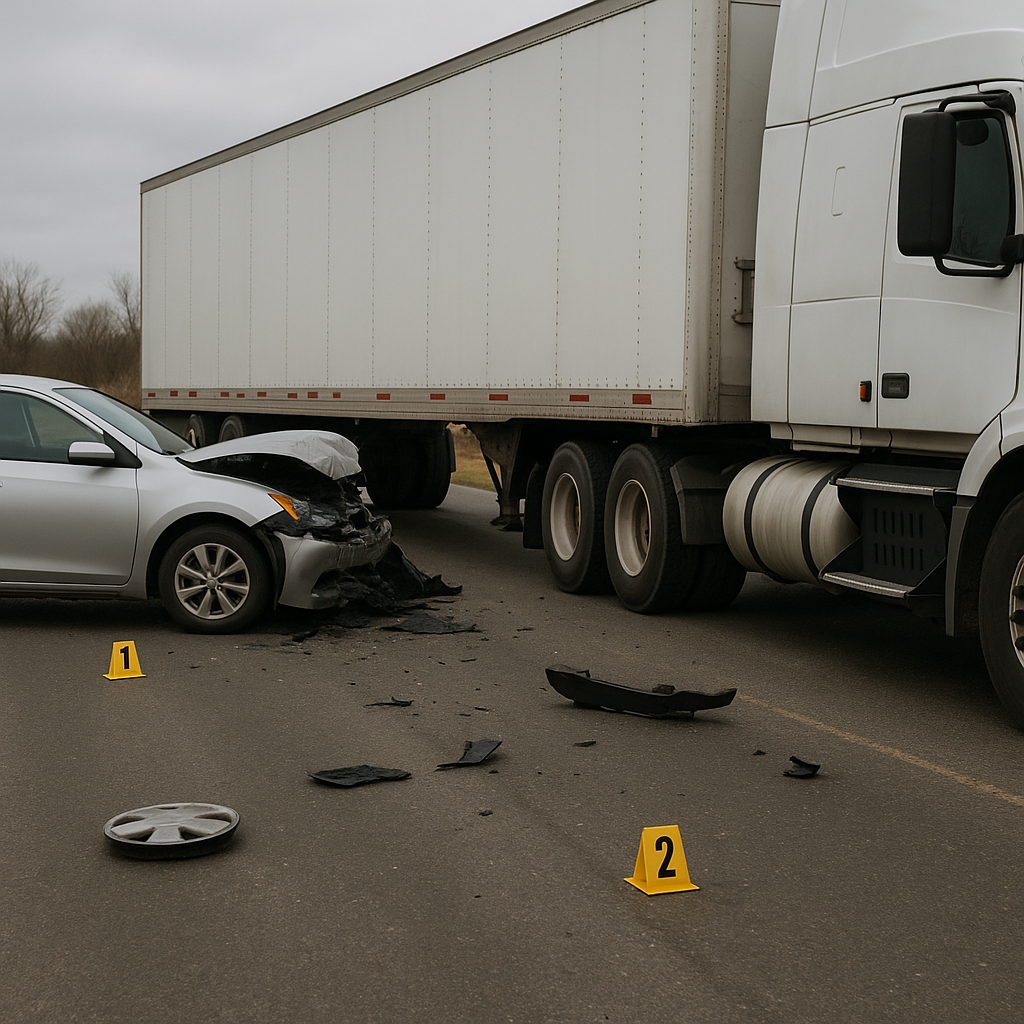
– Physical evidence: Skid marks, vehicle damage, or cargo condition.
– Digital data: Electronic logging devices, GPS tracking records, and dashboard cameras.
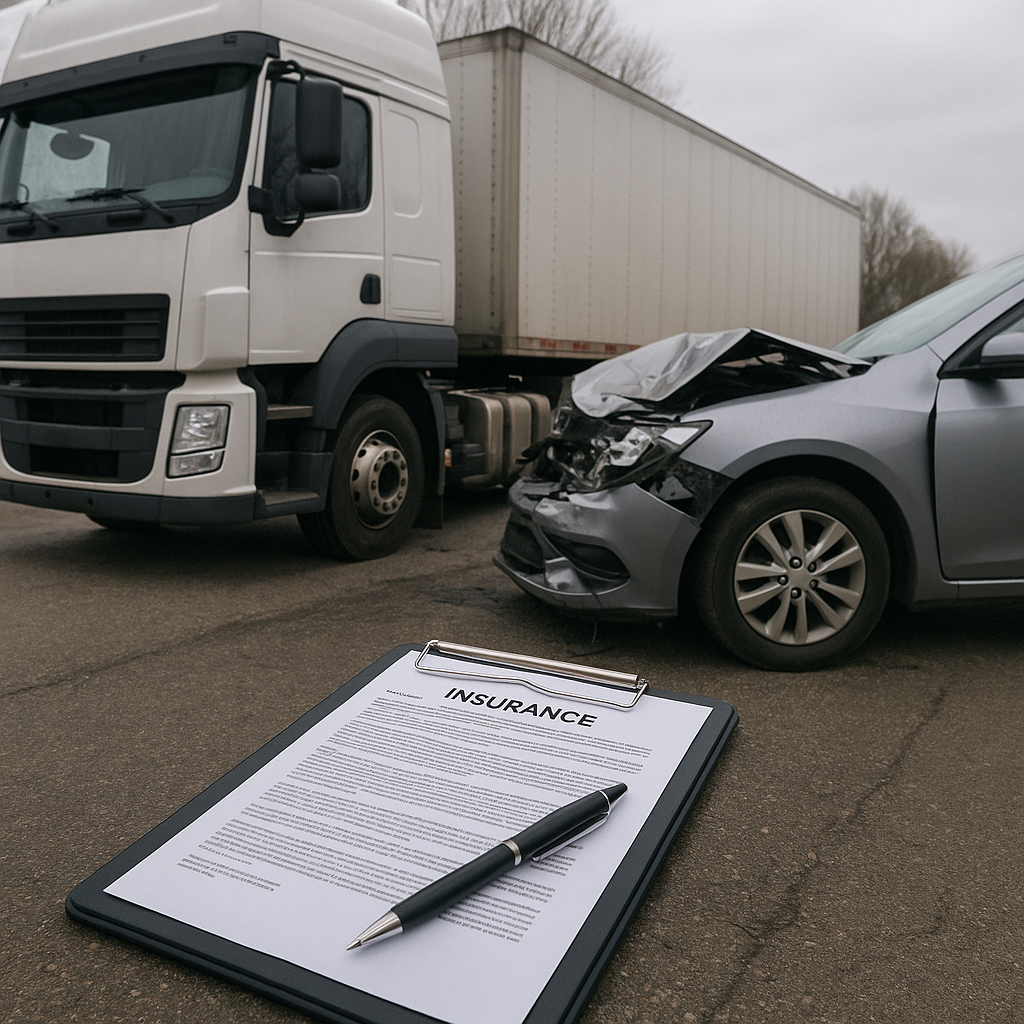
– Documentation: Delivery receipts, maintenance records, and inspection reports.
– Testimonies: Statements from drivers, witnesses, or first responders.
– Photographic evidence: Image captures from accident scenes or traffic cameras.
Each of these information sources may contain details that, when compared, reveal discrepancies—such as mismatched timelines, conflicting accounts of speed, or differences in mechanical failure reports.
Why Evidence Matters
Evidence provides the factual basis for understanding incidents. Accurate assessment of evidence and identification of inconsistencies safeguard the integrity of the investigative process. In truck-related cases, reliable evidence helps clarify the sequence of events, establish liability, and inform regulatory decisions. Recognizing and addressing inconsistency in evidence ensures conclusions are based on a comprehensive and accurate understanding of the incident.
Factors That Complicate Investigations
Several challenges can complicate the analysis of evidence inconsistencies involving trucks:
– Multiple data sources: Integrating information from different systems and formats may introduce confusion.
– Human error: Mistakes in logging or reporting can create perceived inconsistencies.
– Technology limitations: Incomplete or corrupted electronic records may lead to gaps or conflicts in information.
– Environmental influences: Weather, lighting, or road conditions can affect the accuracy of physical evidence.
– Time delays: The longer the gap between the incident and investigation, the greater the potential for data loss or degradation.
Understanding these factors is essential for effectively identifying and resolving evidence inconsistencies in truck investigations, supporting accurate outcomes based on thorough and unbiased analysis.