
Insurance Implications of Leased Truck Operations
Overview of Insurance or Liability Issues
Leased truck operations represent a significant aspect of the commercial transportation industry. Unlike ownership, leasing arrangements introduce distinct layers of legal and insurance considerations. In these arrangements, responsibility for insuring a commercial truck—and thereby covering potential liabilities—can become complex. This is especially true because a lease may place obligations on multiple parties, including the owner (lessor), the operator (lessee), and occasionally a third-party broker or motor carrier.
The central concerns in leased truck insurance revolve around which party must supply primary liability coverage, the scope of coverage required under federal and state regulations, and how insurance carriers respond to incidents such as accidents. Additional factors include distinctions between bobtail (non-hauling) and primary liability coverage, as well as the transfer or sharing of responsibility between lessor and lessee. Lease agreements may require parties to carry specific types of coverage, often dictated by the FMCSA (Federal Motor Carrier Safety Administration) regulations, which aim to protect the public and the parties involved in transport.
How These Issues Arise After Truck Accidents
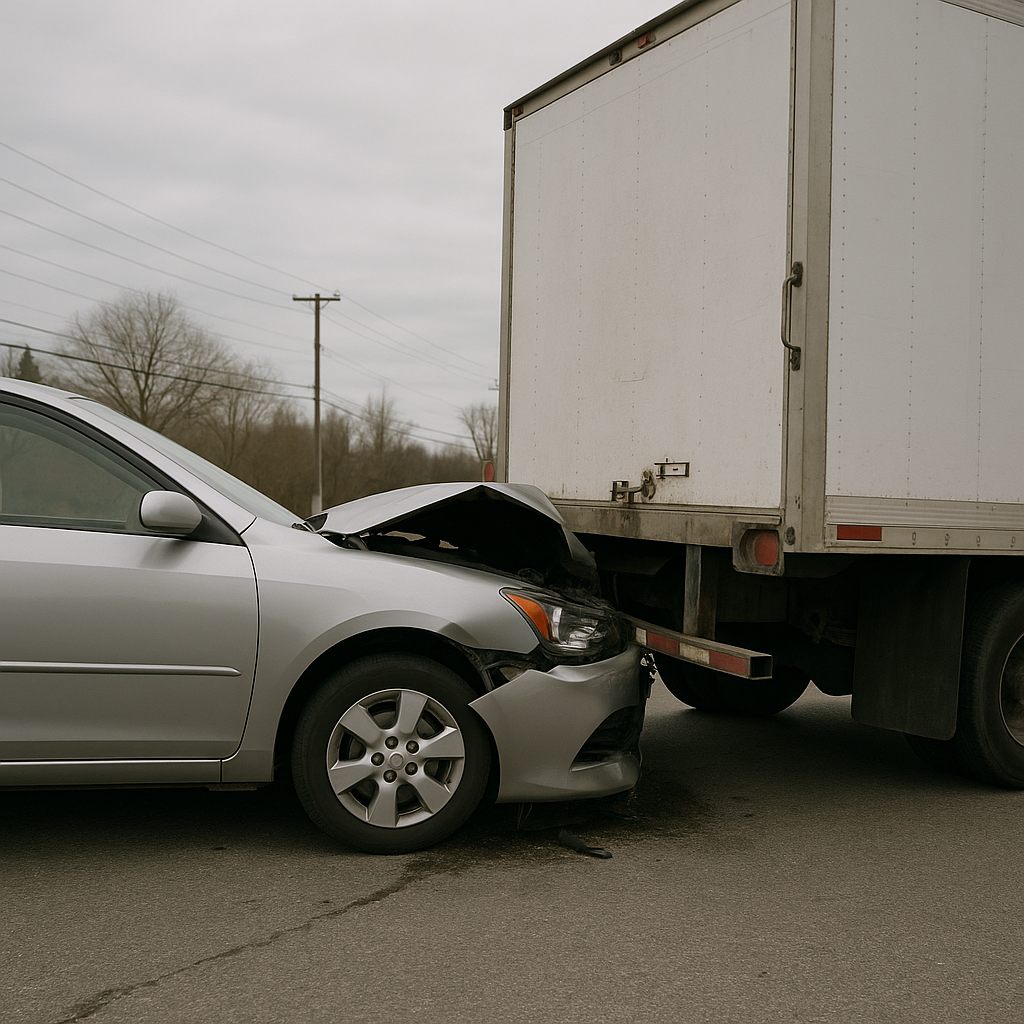
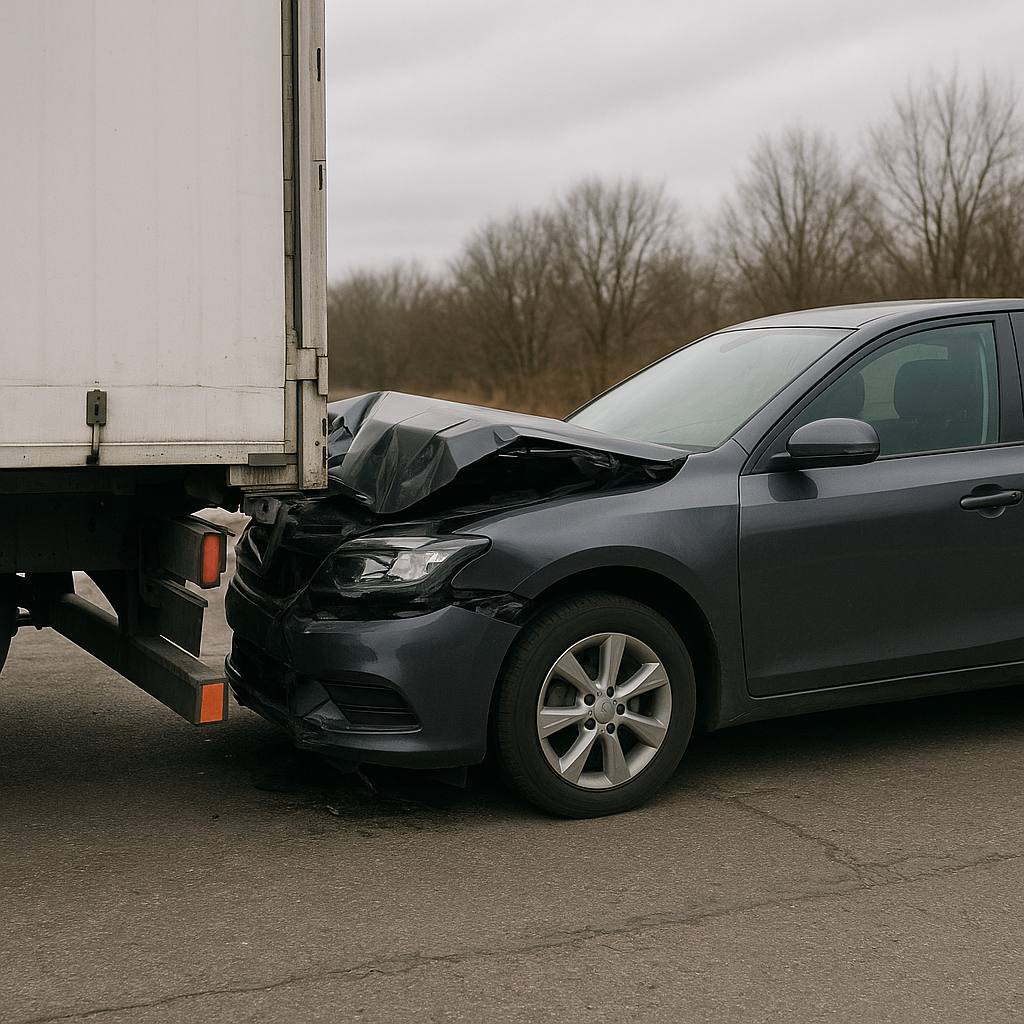
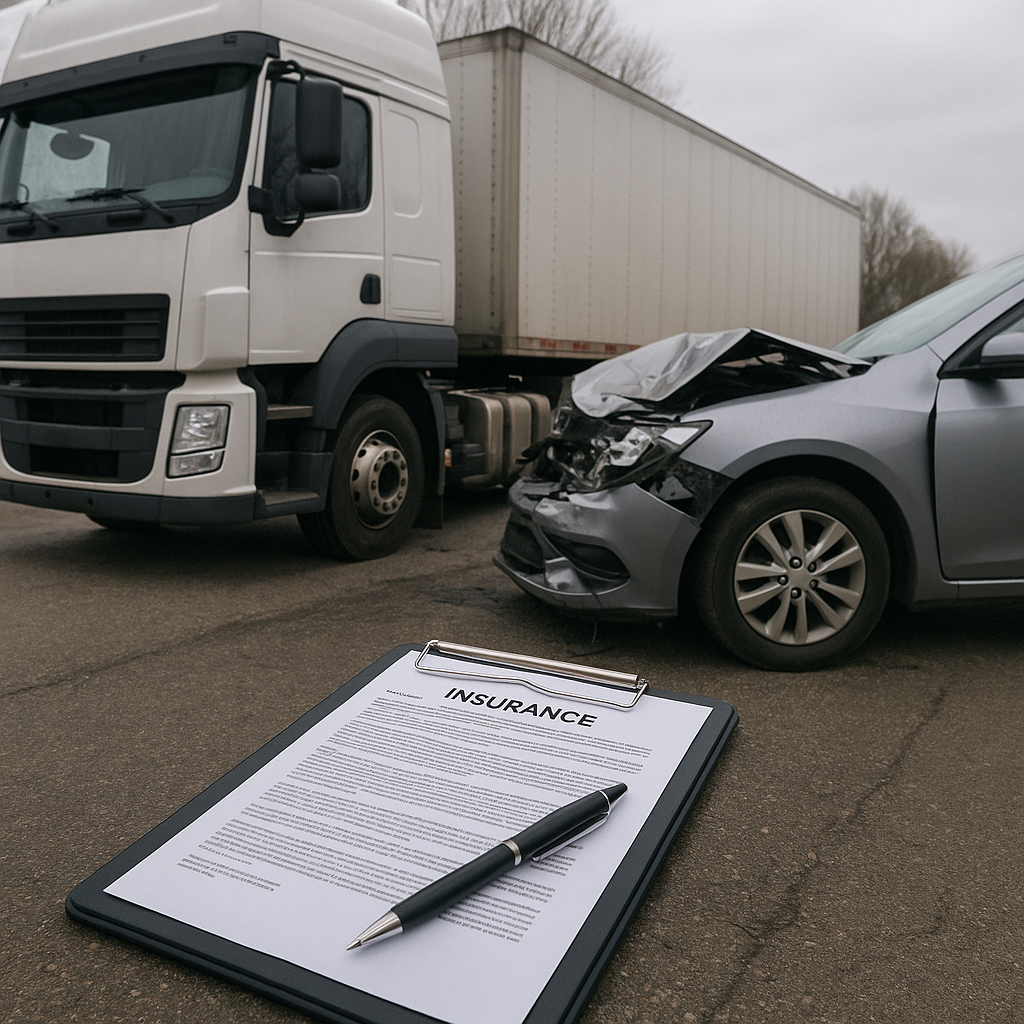
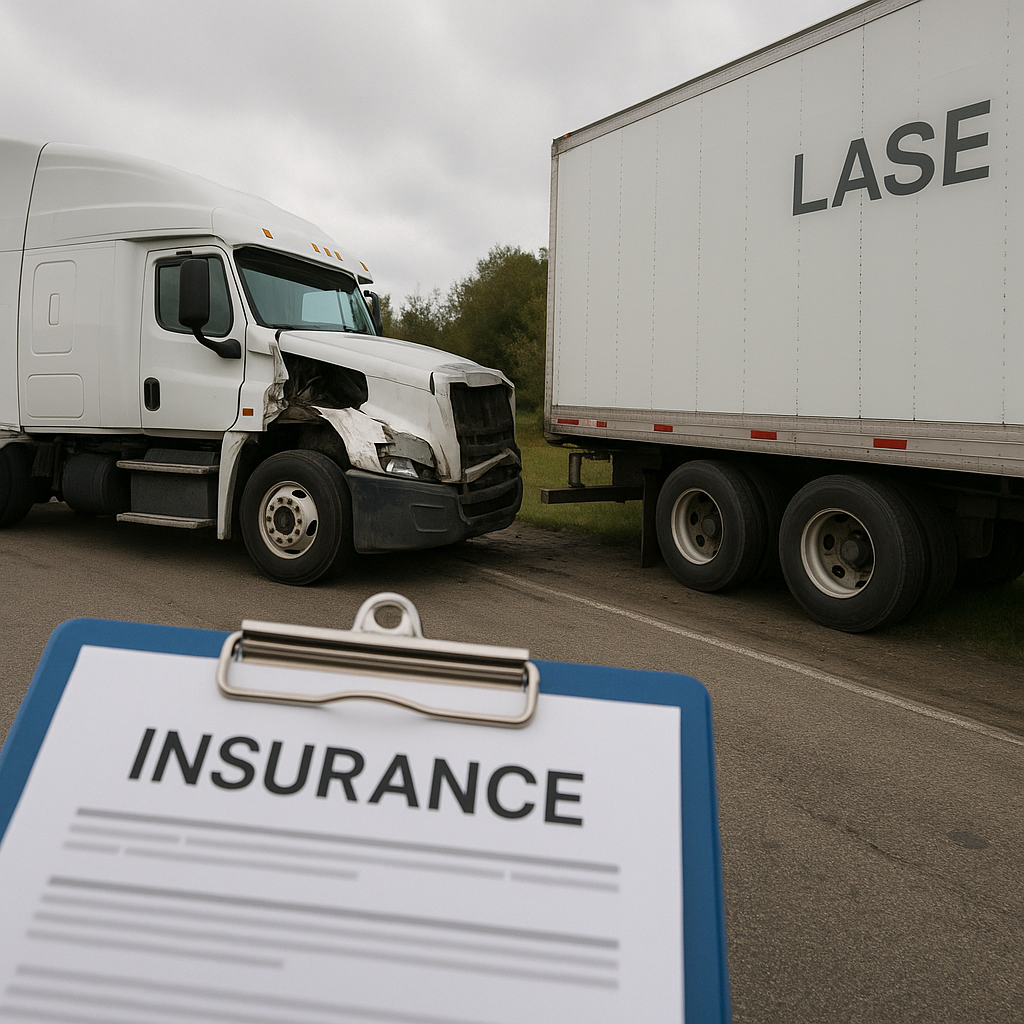
Following a truck accident involving a leased vehicle, the question of who bears liability—and which insurance policy should respond—becomes critical. The specific terms of the lease agreement, the insurance policies in place, and the circumstances of the incident all influence the outcome. For example, if a driver injures another motorist while operating a leased truck, both the lessor’s and lessee’s insurers may become involved in the investigation and settlement process.
The role of insurance in these scenarios is to provide financial protection for bodily injury or property damage resulting from the lessee’s use of the leased truck. However, leased truck insurance arrangements can introduce complexity when determining whether the truck was being operated under a lessee’s authority at the time of the accident, whether the trucker was in the course of employment, or whether the driver was under dispatch.
These distinctions are particularly important in the context of regulatory requirements. Federal law often holds that the entity whose USDOT number and operating authority appear on the truck at the time of an accident is presumed responsible, regardless of the lease arrangement. However, nuances in state law, contractual arrangements, and policy details can lead to disputes.
Parties Commonly Involved
Several parties typically play roles in the insurance and liability landscape of leased truck operations:
– Lessor (Truck Owner): The company or individual owning the truck and leasing it out. Lessors may be required to maintain physical damage coverage on the unit and, in some agreements, minimum liability coverage.
– Lessee (Operator/Carrier): The carrier or individual leasing the truck to perform transportation services, often responsible for obtaining primary liability insurance, as mandated by FMCSA regulations for commercial carriers.
– Driver: Sometimes a separate party, particularly in arrangements involving owner-operators. Their contractual and employment status can impact liability allocation.
– Brokers or Shippers: While typically not responsible for primary liability, these entities may be drawn into investigations or litigation, especially if they played a role in arranging the shipment or route.
– Insurance Carriers: Both primary and secondary carriers can become involved, especially if coverage disputes arise due to ambiguous lease terms or accident circumstances.
Common Sources of Confusion
Several factors contribute to confusion in liability and insurance issues for leased truck operations:
– Ambiguous Lease Agreements: Lease contracts that do not clearly assign maintenance, liability, and insurance responsibilities create uncertainty. For example, if a lease is silent about insurance when the truck is “off dispatch,” an accident during personal use may fall into a coverage gap between the lessor’s physical damage policy and the lessee’s liability coverage.
– Distinction Between “On” and “Off” Dispatch: Truckers often operate vehicles without a load (“bobtailing,” or “deadheading”), or while in service of different lessees, raising questions about which insurance policy is active at a given moment.
– Federal vs. State Regulation: Federal rules (such as those under the FMCSA) may differ from state insurance requirements, leading to challenges in determining which rules apply in a given accident.
– Interplay Between Policies: Lease agreements sometimes require both the lessor and lessee to maintain insurance, with overlapping or conflicting terms about who bears primary or excess liability. This can result in costly and time-consuming disputes between insurance companies.
– Identifying the Responsible Carrier: Since trucks often display the operating carrier’s USDOT number (as required by regulation), third-party claimants may presume that company is responsible, even if the truck was under a temporary lease or driven while “off duty.”
Why Truck Cases Differ from Car Accidents
Truck accident liability and insurance coverage differ from typical car accidents for several reasons:
– Regulatory Overlay: Both federal and state authorities impose specific requirements on commercial trucking—the FMCSA, for example, requires minimum liability insurance based on vehicle type and commodity. These requirements rarely apply to personal vehicles.
– Complex Business Relationships: Commercial truck leases often encapsulate multiple parties, intricate employment relationships, and layered insurance. By contrast, personal vehicles are more straightforward, with responsibility typically falling to the owner’s insurer.
– Industry Practice: Use of “leased on” drivers or owner-operators is commonplace in trucking but rare in personal transportation. This increases the need for careful delineation of insurance obligations.
– Potential Damages: The severity of truck accidents—given the size and value of commercial vehicles—means that available insurance limits, subrogation issues, and liability caps are of heightened importance versus typical passenger vehicle incidents.
Conclusion
Understanding the insurance implications of leased truck operations requires careful examination of all parties’ roles, the specific terms of lease agreements, and the intricate regulatory environment. As trucks pass from lessor to lessee, identifying which policy provides coverage at any given time is essential, especially after an accident. The interplay of federal mandates, contract law, and commercial practice make leased truck insurance a uniquely complex segment of transportation law and risk management.