
How Trucking Regulations Affect Insurance Liability
Overview of Insurance or Liability Issues
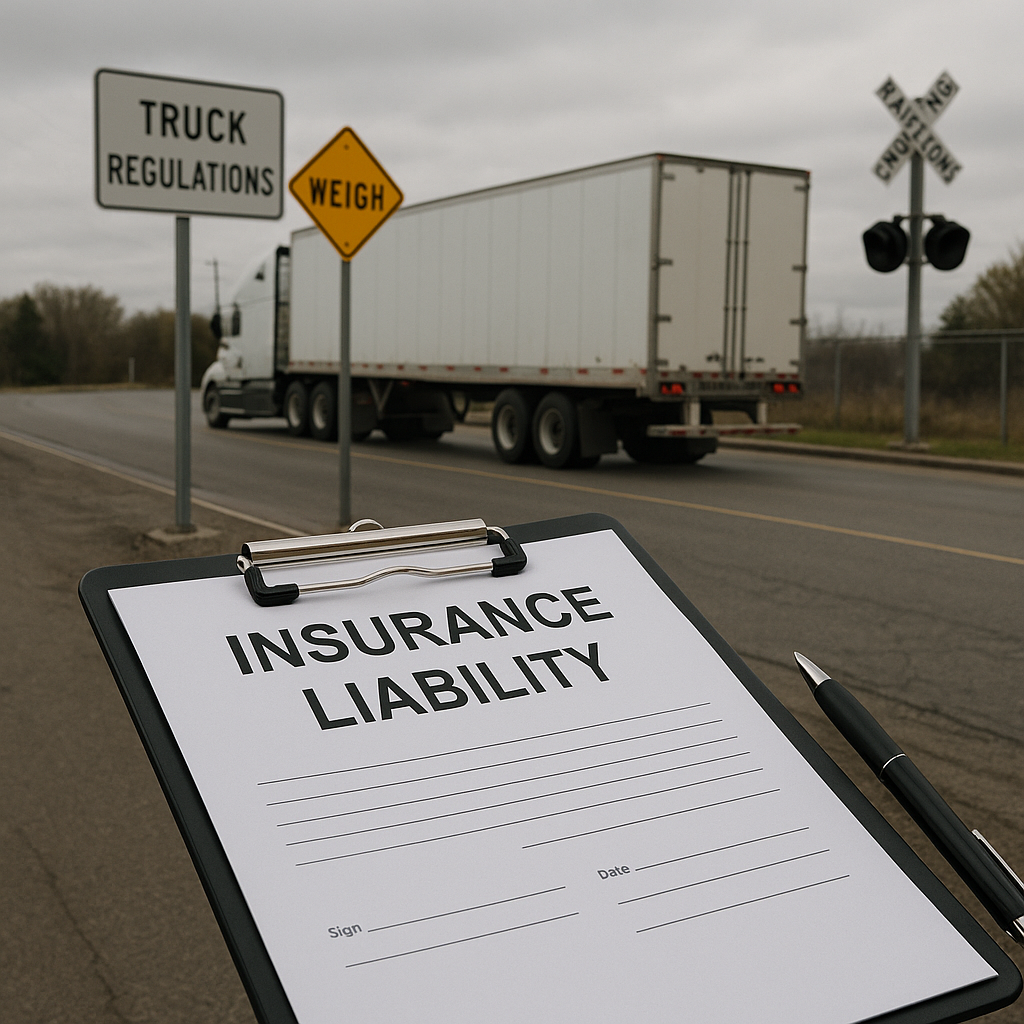
Trucking regulation insurance involves a specialized set of rules and requirements that dictate how liability is assigned, managed, and enforced for companies and drivers who operate commercial trucks. Unlike typical passenger vehicles, commercial trucks are subject to federal and state regulations designed to ensure road safety, minimize accidents, and establish minimum insurance coverage. The regulatory landscape not only affects how liability is determined after an incident but also influences insurance premiums, policy requirements, and dispute resolution processes.
Liability in trucking cases usually revolves around who is responsible for an accident and to what extent their insurance must pay for damages or injuries. In the United States, agencies such as the Federal Motor Carrier Safety Administration (FMCSA) set out regulations for minimum insurance coverage, driver qualifications, vehicle maintenance, and hours of service. These regulations are intended to reduce risks but also make insurance claims after a truck accident more complex compared to accidents involving non-commercial vehicles.
Insurance liability in trucking is not just about paying for damages. It also involves determining compliance with industry rules, evaluating coverage based on regulatory standards, and dealing with the potential for multiple parties to hold responsibility for a single accident.
How These Issues Arise After Truck Accidents
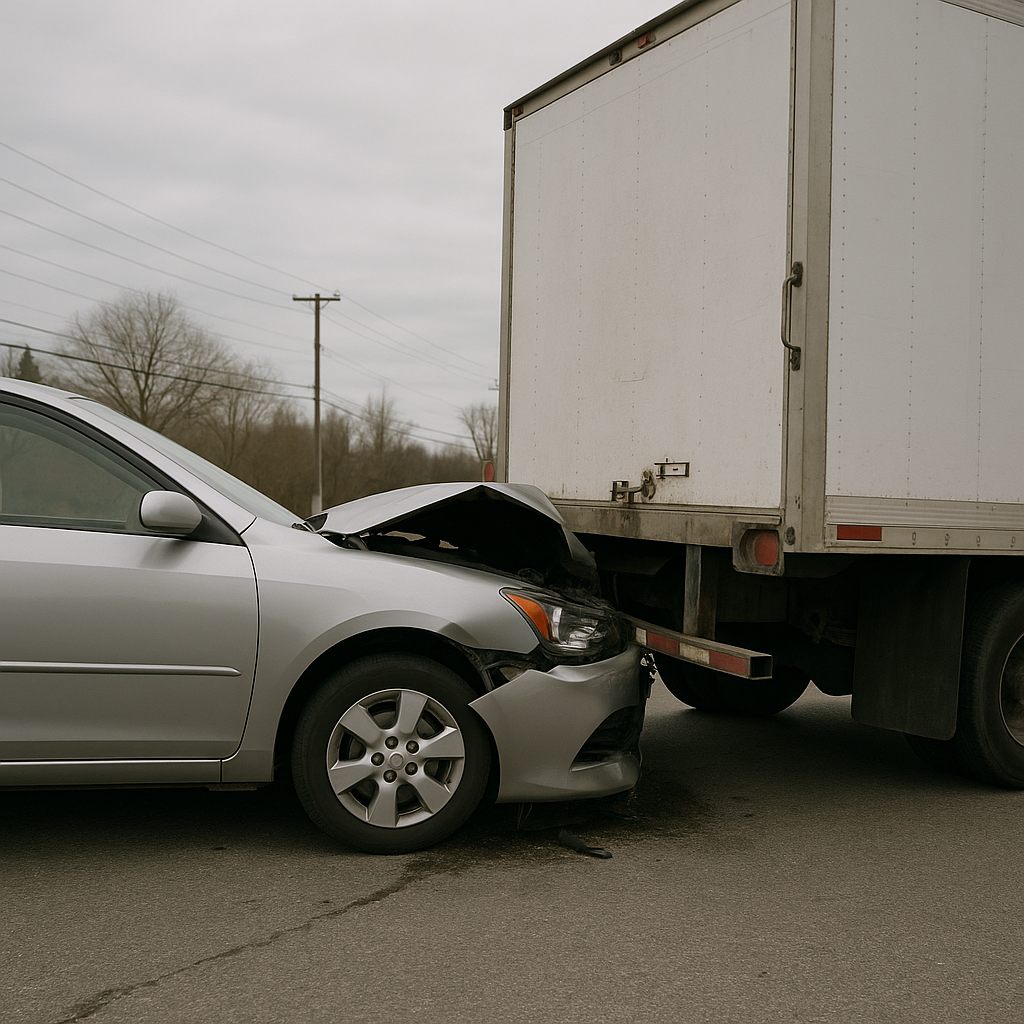
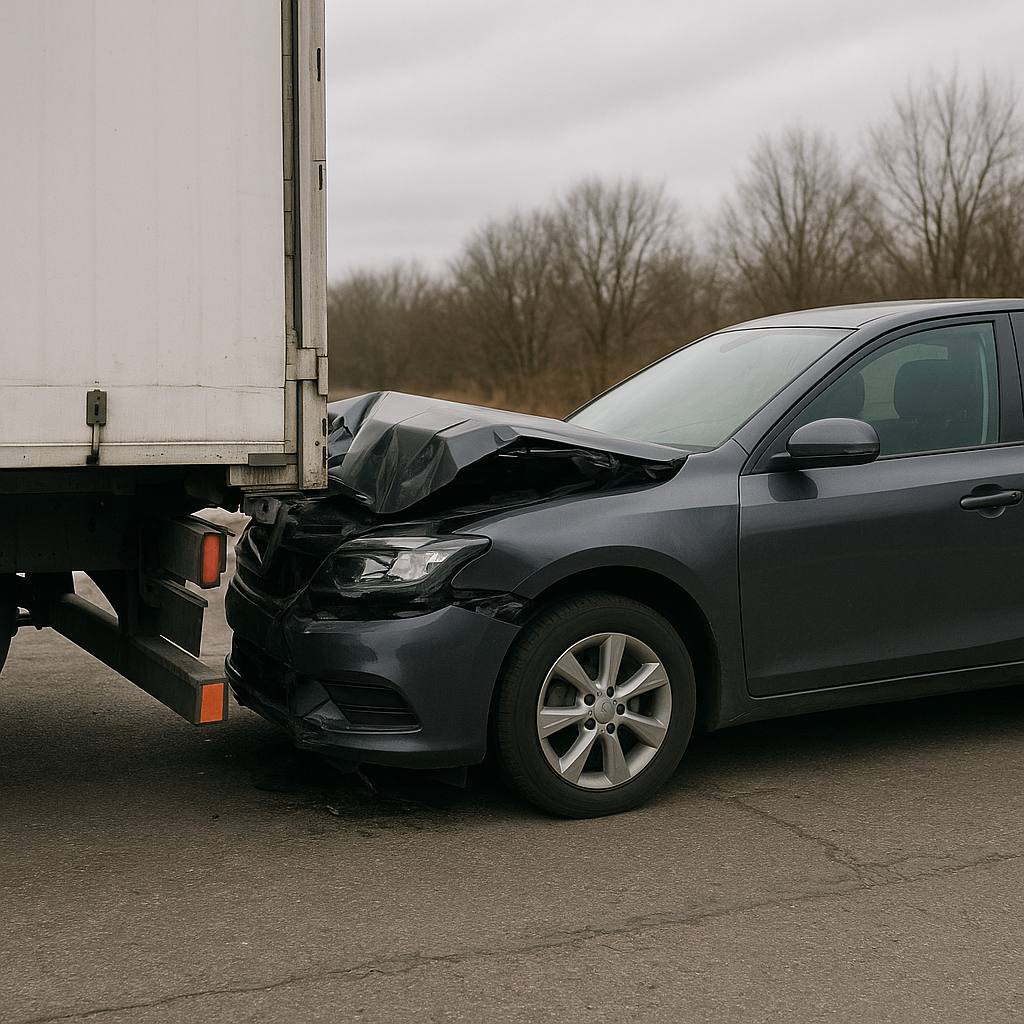
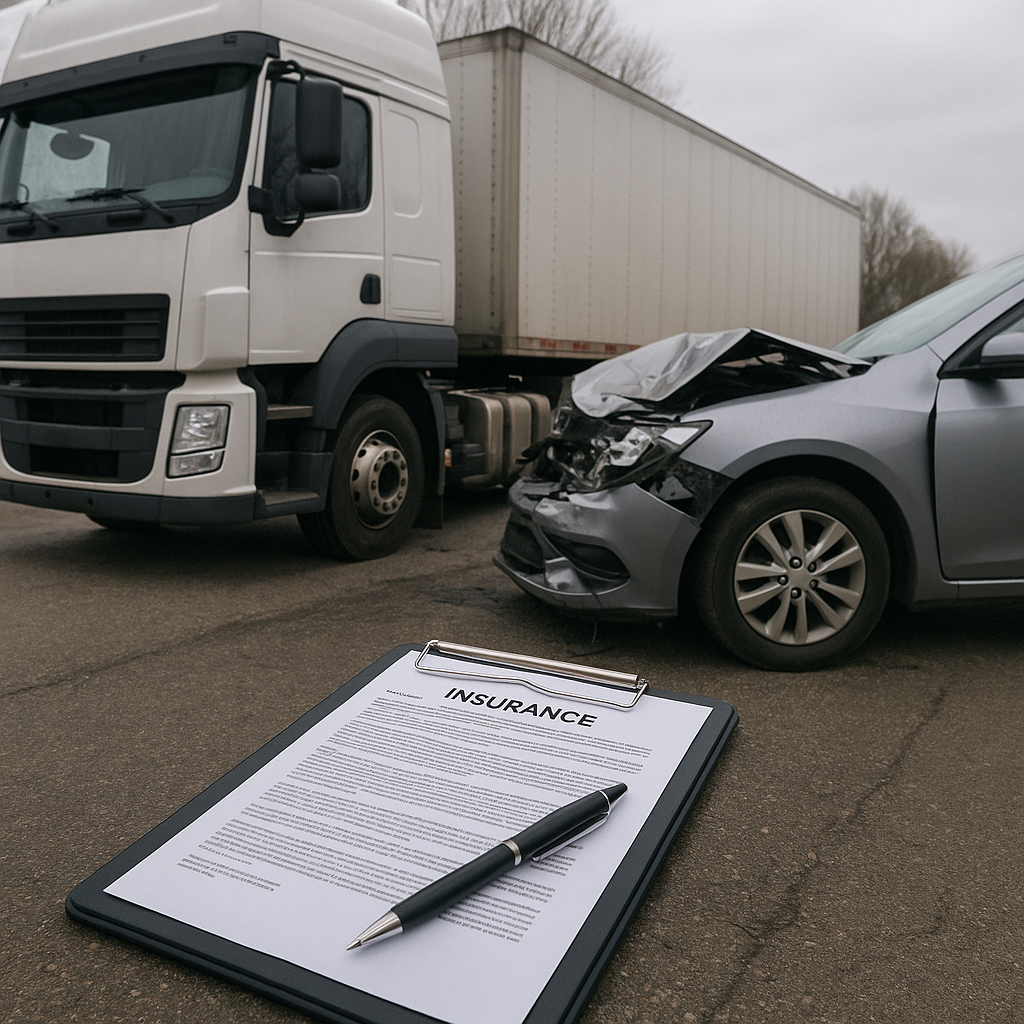
When a commercial truck is involved in an accident, several insurance and liability issues immediately come to the forefront. The structured environment created by trucking regulations frames the investigation, negotiation, and settlement of these claims.
First, regulatory compliance is scrutinized. Investigators and insurers look into whether the driver and the trucking company were adhering to regulations at the time of the accident. For instance, if an accident is linked to driver fatigue and it is discovered that hours-of-service rules were violated, liability may shift or increase. Violations can lead to additional penalties and expanded liability for the carrier.
Second, insurance companies assess coverage based on regulation-mandated minimums. Commercial trucks are typically required to carry much higher liability coverage than passenger vehicles. The amount varies depending on cargo type, vehicle weight, and whether the truck operates across state lines. These higher limits aim to reflect the potential for greater harm in truck accidents but can also complicate claims, especially when multiple parties are involved.
Third, a truck accident often triggers a detailed investigation into maintenance records, driver logs, and company safety records, as required by regulations. If non-compliance with any of these requirements is found, the at-fault party may face increased exposure, including punitive damages or insurer denial of claims based on breaches of policy terms.
Overall, trucking regulation insurance liability becomes an intersection of regulatory compliance, insurance coverage, and legal fault, all of which must be considered when resolving truck accident claims.
Parties Commonly Involved
Truck accident insurance claims often include a broader cast of parties than standard auto accident cases. Some of the most commonly involved parties in these cases are:
1. Truck drivers: Their compliance with commercial driver’s license (CDL) requirements, training, health status, and work schedules are all examined under regulatory frameworks.
2. Trucking companies (carriers): They may be liable for the actions of their drivers, especially if there are lapses in supervision, maintenance, or regulatory compliance.
3. Insurance carriers: Commercial insurers are involved in evaluating claims, determining policy applicability, and negotiating settlements.
4. Shippers and cargo loaders: If an accident is attributed to improper loading or hazardous material transport (regulated by FMCSA and DOT), these parties might also share liability.
5. Maintenance providers: If vehicle maintenance issues contributed to the accident, companies responsible for upkeep may become part of the liability chain.
6. Third parties: Other motorists, pedestrians, or even government entities (for road maintenance) can be involved, depending on the accident circumstances.
The involvement of multiple regulated entities means that determining liability often requires dissecting contracts, insurance policies, and compliance with various regulations.
Common Sources of Confusion
Insurance and liability issues following a truck accident are frequently complicated by several sources of confusion, particularly when it comes to the role of trucking regulations:
Regulatory overlap and compliance: Federal and state regulations sometimes differ or overlap, causing uncertainty about which rules take precedence or about how to interpret compliance in multistate operations.
Multiple insurance policies: Trucking operations may involve layered insurance coverage, with primary, secondary, and excess policies. The interplay between these policies, especially regarding exclusions due to regulatory violations, can be challenging to unravel.
Distinctions between independent contractors and employees: Whether a driver is an employee or an independent contractor affects carrier liability and can be a focal point of confusion. The legal definition may be influenced by regulatory definitions, contracts, and the actual working relationship.
Cargo and cargo-owner liability: Regulations about the transport of hazardous or regulated cargo add complexity due to specialized insurance requirements and added parties with potential liability.
Recordkeeping and evidence: Regulations require detailed logs and records, but inconsistent documentation or disputes over the accuracy of electronic logging devices (ELDs) can create confusion during claims investigations.
Jurisdictional issues: Because trucking is inherently interstate, determining which state or federal laws apply, and where a claim should be filed, can be particularly complicated.
The complexity resulting from the need to reconcile regulatory, contractual, and insurance obligations makes truck accident claims much more difficult to resolve than those involving only passenger vehicles.
Why Truck Cases Differ from Car Accidents
Truck accident cases are substantially different from car accident cases due to the regulatory framework that governs the commercial trucking industry. Not only do trucks have higher insurance requirements dictated by law, but their operation involves strict adherence to multiple regulations concerning driver qualifications, service hours, vehicle inspection, and cargo handling. These factors mean that liability may extend beyond the driver and vehicle owner, involving multiple parties whose involvement is dictated by their regulatory responsibilities and contractual obligations.
Additionally, due to the potential for more significant damage and injury—alongside a heightened risk profile—investigations are more rigorous and the scope of liability is often broader. Collectively, these differences make trucking regulation insurance liability a highly specialized aspect of insurance law, requiring careful navigation of both regulatory mandates and standard legal principles.
In summary, trucking regulations serve as the backbone for how insurance liability is determined after commercial vehicle accidents. These rules increase both the scope and complexity of liability and insurance coverage issues, setting truck accident cases apart from other motor vehicle incidents. The intersection of regulatory compliance, multi-party involvement, and layered insurance coverage continues to drive the complexity of trucking regulation insurance liability.