
How Legal Responsibility Is Examined After Truck Crashes
Why People Ask This Question
After a truck crash, the aftermath can be overwhelming, especially for those involved or affected. The size and weight of commercial trucks mean that even minor collisions can result in significant property damage, serious injuries, or fatalities. Victims, truck drivers, and trucking companies often have pressing questions about who bears responsibility and how it is determined. Understanding legal responsibility in truck accidents is crucial for insurance claims, civil proceedings, and, occasionally, criminal investigations. This question arises because accidents involving trucks are rarely straightforward; multiple parties and complex regulations can make the determination of fault a challenging task.
Clear Explanation
Legal responsibility, or liability, in truck accidents is determined by examining a variety of factors. The process involves identifying everyone who may have contributed to the cause of the crash, investigating the circumstances, and applying relevant laws and regulations.
Key Steps in Examining Legal Responsibility
1. Thorough Investigation:
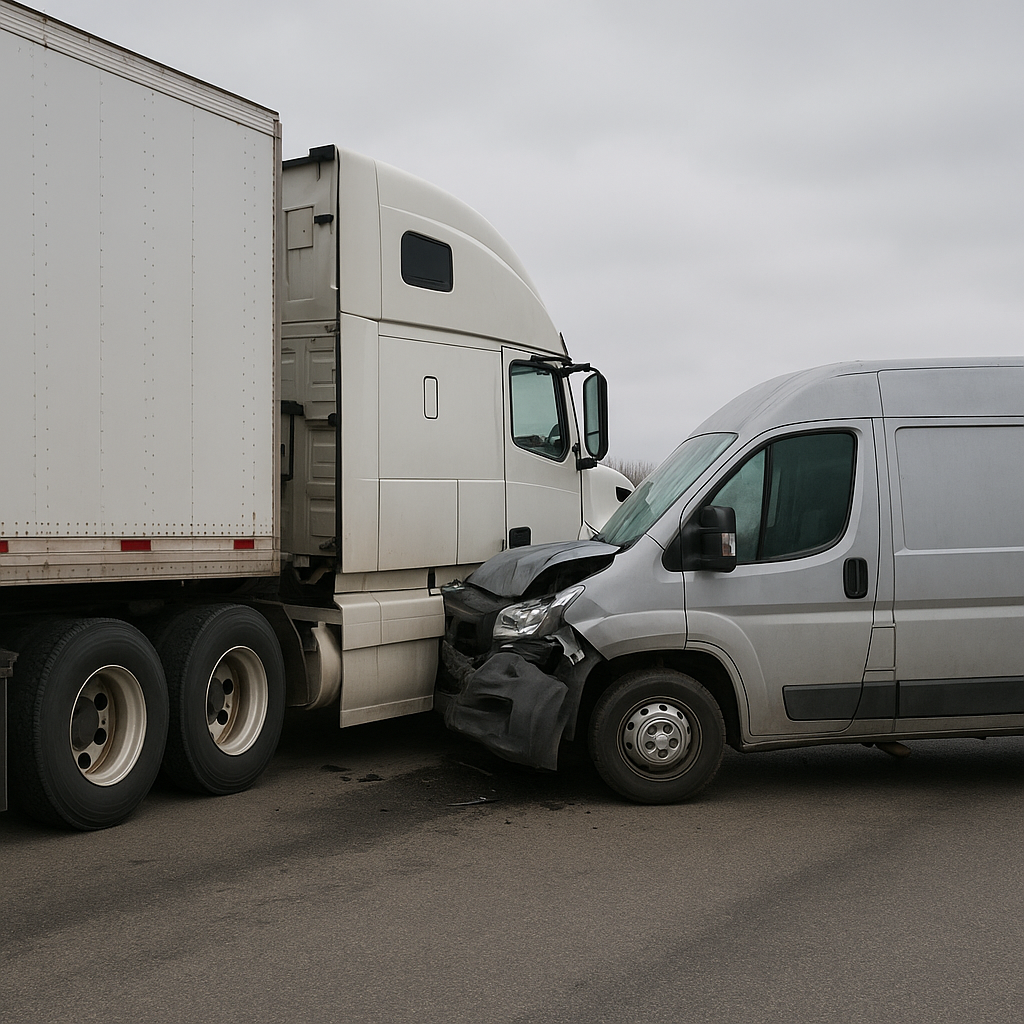
Investigators collect physical evidence from the crash scene, such as vehicle positions, skid marks, road conditions, and damage to all vehicles involved. Police reports, traffic camera footage, and witness statements are also crucial.
2. Review of Documentation:
Commercial trucking is heavily regulated. Records such as driver logbooks, truck maintenance logs, and electronic data from the truck’s black box (event data recorder) are examined. These records might reveal overworked drivers, neglected maintenance, or prior violations.
3. Analysis of Applicable Laws:
Truck drivers and companies must adhere to stringent federal and state regulations (for example, the Federal Motor Carrier Safety Regulations, FMCSRs). Legal responsibility can hinge on compliance with rules concerning driver qualifications, maximum hours of service, vehicle weight limits, and load securement.
4. Assigning Fault:
Investigators and insurers use the collected evidence and regulations to determine who was negligent. A party is legally responsible if it is proven that their negligence—such as distracted driving, failure to maintain equipment, or improper loading—caused or contributed to the crash.
5. Multiple Parties May Be Liable:
Unlike typical passenger vehicle collisions, truck crashes often implicate multiple parties: the driver, the trucking company, the vehicle or parts manufacturer, maintenance contractors, or even those who loaded the cargo. Each party’s actions are scrutinized to assess responsibility.
6. Insurance Review:
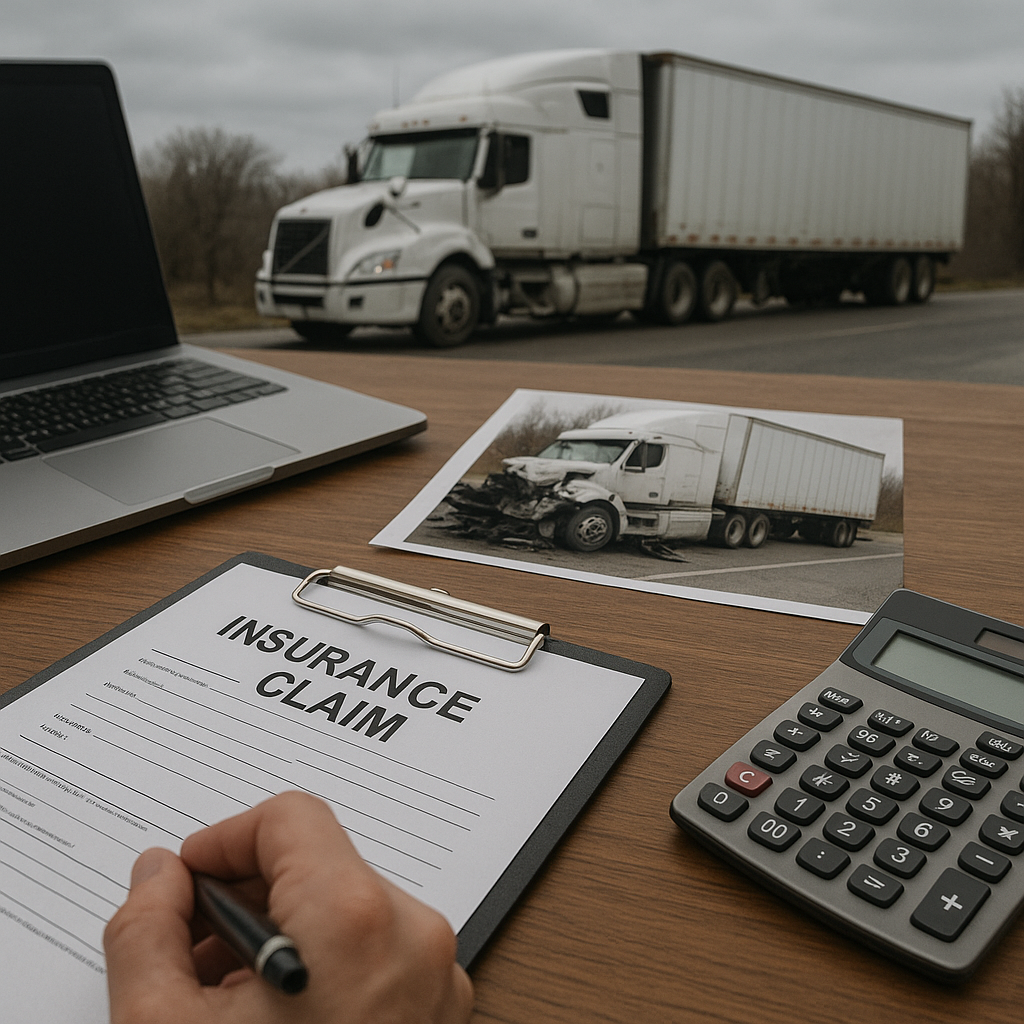
Insurance companies conduct their own analyses, relying on claims adjusters and sometimes accident reconstruction experts. Their findings may influence liability decisions and compensation.
Helpful Context
Truck crashes are subject to both the standard rules of negligence and additional trucking-specific regulations. Negligence means failing to take reasonable care to prevent harm to others. For commercial drivers and their employers, this means not only following traffic laws but also abiding by extra safety standards.
A central consideration in truck cases is the principle of vicarious liability. This means a trucking company may be held liable for its employee’s actions if the driver was acting within the scope of employment. Furthermore, violations of FMCSRs or other safety regulations can lead to a determination of fault, even if the driver did not break typical traffic rules.
Product liability may also come into play. If a mechanical failure—such as brake or tire malfunction—led to the crash, an investigation might reveal that a manufacturer or parts supplier is legally responsible.
When cargo is loaded improperly, responsibility might extend to third-party loading companies. These complexities make every truck crash investigation unique and meticulous.
What People Often Wonder Next
After understanding how responsibility is determined, people often wonder:
– How long does the legal process take?
Investigating and assigning responsibility may require weeks or even months, especially when multiple parties or technical experts are involved.
– What role does comparative fault play?
In many states, if more than one party shares fault (including the victim), liability and compensation might be divided based on each party’s percentage of blame.
– Are criminal charges ever filed?
In cases of gross negligence, such as driving under the influence or flagrant law violations, criminal charges may accompany civil proceedings.
– What is the difference between criminal and civil responsibility?
Civil liability involves paying damages to those harmed, while criminal responsibility involves penalties like fines or imprisonment for violating the law.
– Does the truck driver always bear the most responsibility?
Not always. The trucking company, parts manufacturers, or other entities can be just as—if not more—liable, depending on the facts.
Common Misconceptions
Truck Drivers Are Always to Blame
Many assume the driver is automatically responsible, but liability often extends to employers, maintenance providers, or cargo companies, depending on the crash circumstances.
Responsibility Is Decided Quickly
Given the necessity for thorough investigations and potential involvement of several parties, determining legal responsibility after a truck crash is rarely immediate.
Insurance Always Covers All Losses
Insurance may not cover all damages, especially when liability is contested, or coverage limits are exceeded.
Regulations Are the Same for All Vehicles
Commercial trucks are subject to specialized rules and higher safety standards than passenger vehicles, affecting how liability is assessed.
—
Understanding how legal responsibility is examined after truck crashes involves appreciating the multiple layers of investigation and the complex interplay of negligence and regulation. Each incident is approached with detailed scrutiny to determine who is financially and legally answerable for the aftermath.