
How Do Multiple Parties Affect Truck Injury Cases?
Why People Ask This Question
When a truck accident results in injuries, people naturally want to know who is responsible and how their claim may be impacted. Truck accidents are often more complex than regular car collisions because they may involve not just the driver and the injured party, but several other entities as well. The question “How do multiple parties affect truck injury cases?” arises frequently, especially as victims try to understand who might be liable and how compensation is determined.
This curiosity is driven by both the severity of truck accidents and the number of entities typically involved in the trucking industry. People hear about cases involving drivers, trucking companies, and insurance providers all disputing their level of responsibility. Understanding the impact of multiple parties on truck injury cases helps victims and their families anticipate potential challenges.
Clear Explanation
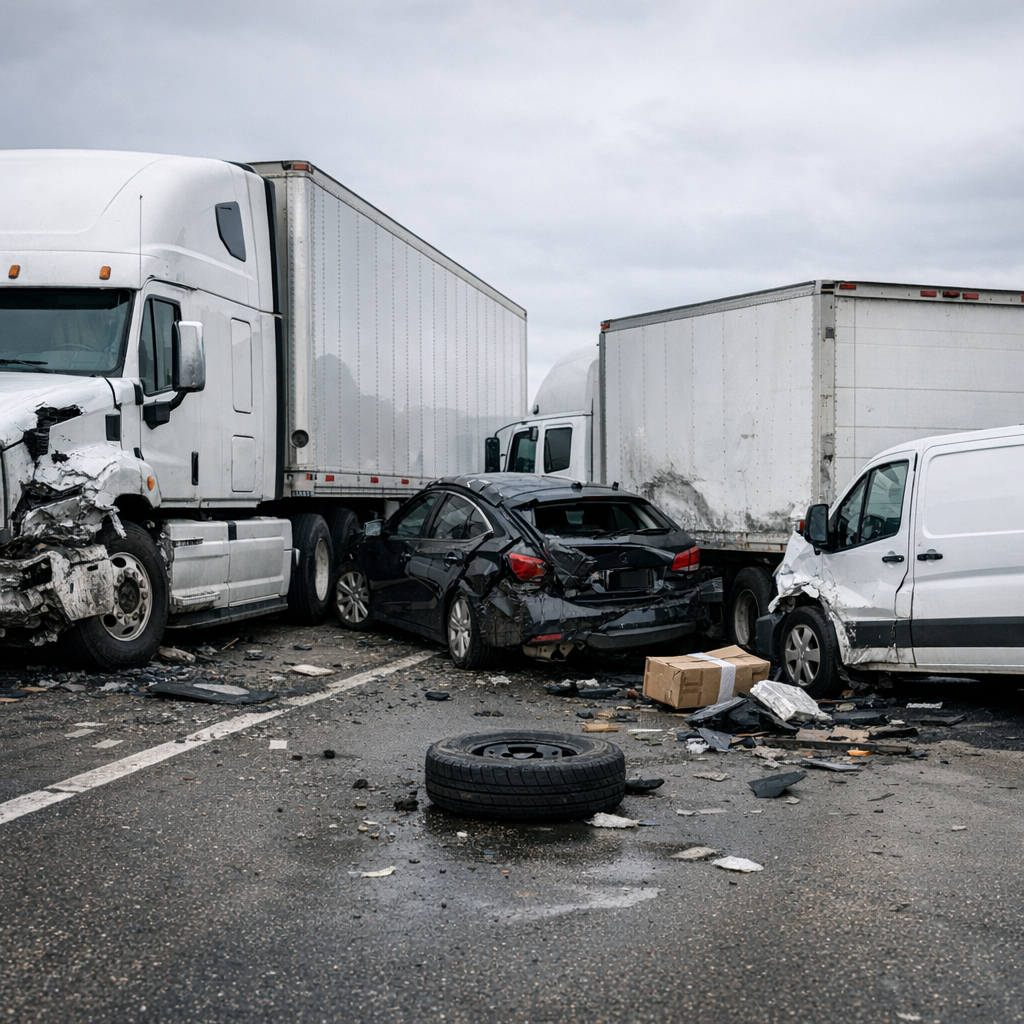
When multiple parties are involved in a truck accident resulting in injuries, it usually creates a more complicated claims process. In contrast to a collision between two individual cars, truck accidents may involve any combination of a truck driver, the company that employs the driver, the owner of the truck, the company that loaded the cargo, maintenance contractors, or even vehicle and parts manufacturers.
Essentially, every party that played a role in the truck’s operation, loading, and maintenance could be inspected for responsibility. The involvement of multiple parties affects truck injury cases in a few primary ways:
1. Determining Liability Becomes Complex:
Investigators and insurers must look closely at everyone’s actions leading up to the accident. It’s not always clear-cut who is at fault, especially if several parties made mistakes or neglected safety standards. The process of determining legal liability may involve multiple legal theories—for example, a trucking company could be liable for improper hiring or insufficient training, while a cargo loader might be at fault for an unbalanced load.
2. Shared or Divided Responsibility:
In many legal systems, liability can be shared. One party might be 60% at fault, while others might share the remaining percentage. This division can influence how much each party must pay for damages, and it can also affect how much an injured individual receives based on collective fault.
3. Insurance and Compensation Challenges:
Each involved party likely has its own insurance coverage. Negotiations can become complex, with each insurer contesting the extent of its policyholder’s liability. Coordination among multiple insurance providers often leads to longer resolution times and potentially conflicting claims.
4. Increased Potential for Disputes:
When several parties are involved, it is more likely that disputes will arise over evidence, responsibility, and compensation. Each party might attempt to shift blame to others, leading to more prolonged investigations and negotiations.
Helpful Context
In the context of trucking accidents, the inclusion of several potential defendants can be attributed to the structure of the commercial trucking industry. A single truck might be owned by a leasing company, operated by a driver working for a motor carrier, hauling cargo for another company, and maintained by a separate contractor. Each entity has distinct responsibilities regulated by state and federal laws.
For example, if an accident is caused by a mechanical failure, investigation may reveal that a maintenance contractor failed to make proper repairs, or that a part was defective from the manufacturer. If cargo shifts or spills, the focus may turn to those who loaded or secured the cargo. Likewise, if driver actions or fatigue contributed, both the driver and their employer could be scrutinized for compliance with safety regulations.
Complicating matters further, the laws on how fault is assigned among multiple parties can differ widely by jurisdiction. Some states use “joint and several liability,” which can hold one party responsible for the entire amount owed to the injured party, while others divide responsibility according to each party’s percentage of fault.
What People Often Wonder Next
After understanding that multiple parties can be involved in truck injury cases, people frequently begin to wonder:
– How is it determined who is actually liable among all the possible parties?
– If several companies or individuals are partially at fault, will all of their insurance companies be required to pay?
– Does having more parties involved mean it will take longer to resolve the case or receive compensation?
– What happens if one of the responsible parties doesn’t have enough insurance?
These questions highlight the intricacies of resolving truck injury cases and underscore the importance of thorough investigations and the coordination among different entities.
Common Misconceptions
A common misconception is that only the truck driver can be held responsible in an accident. In reality, as outlined above, liability often extends to several entities involved in the truck’s operation, maintenance, and load. Another mistaken belief is that involving more parties will necessarily increase the amount of compensation. While it may present more avenues for payment, it can also complicate negotiations and extend the time needed for resolution.
Another frequent misunderstanding is thinking any involved party will automatically be considered liable just because they are part of the chain. In practice, liability hinges on evidence of negligence, regulatory breaches, or direct causation for the injuries.
—
In summary, the involvement of multiple parties in truck injury cases significantly affects how these cases are handled, including the determination of liability, compensation negotiations, and the overall timeline. The interwoven relationships between drivers, companies, contractors, and insurers make each truck injury case unique and complex, requiring careful consideration of the roles and responsibilities of all involved.