
Understanding Investigation Limitations
What Evidence or Investigation Involves
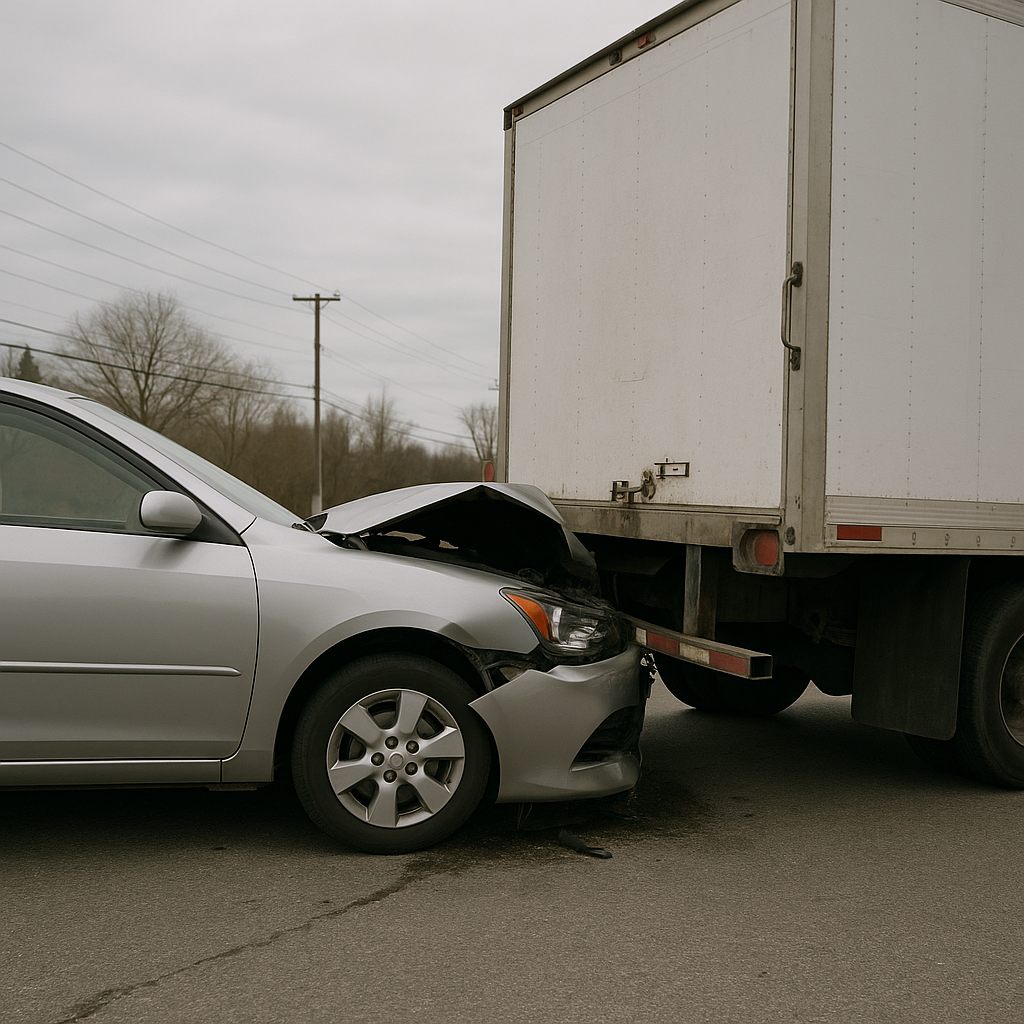
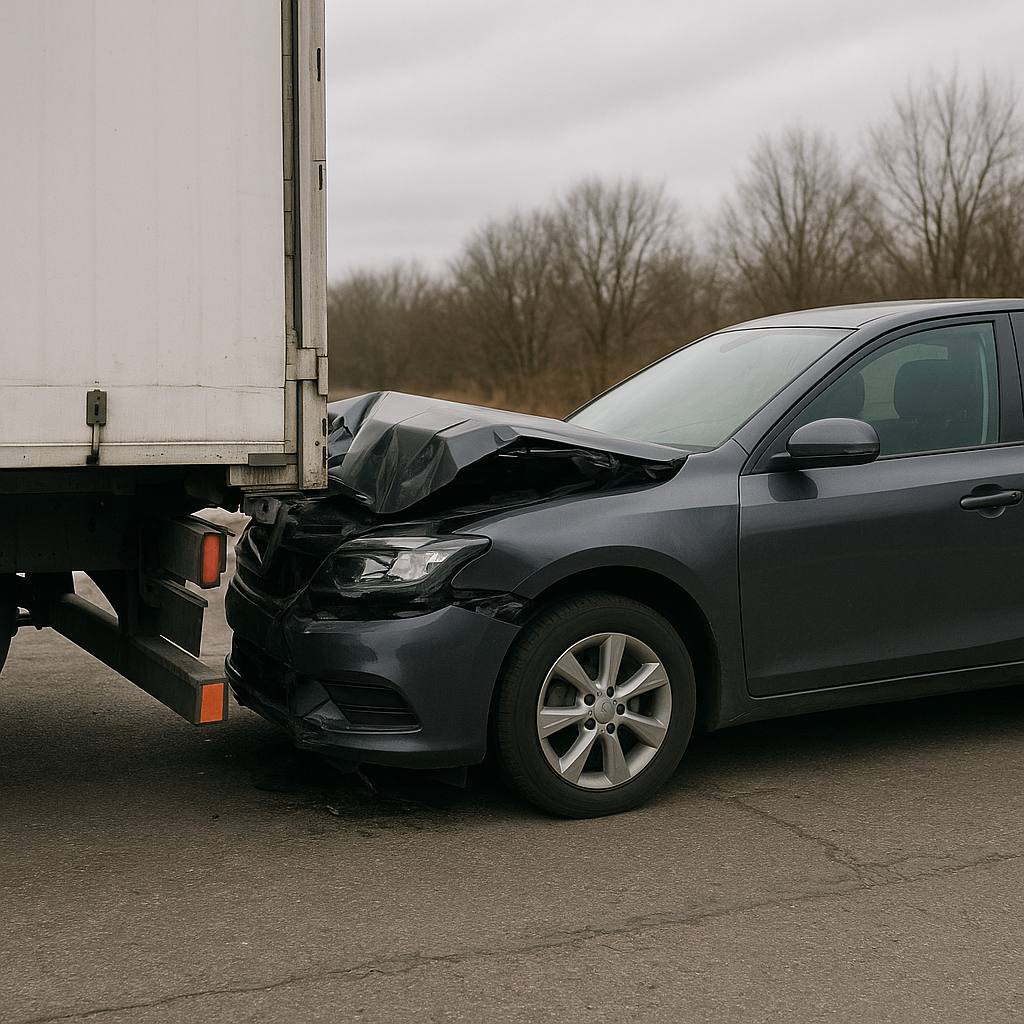
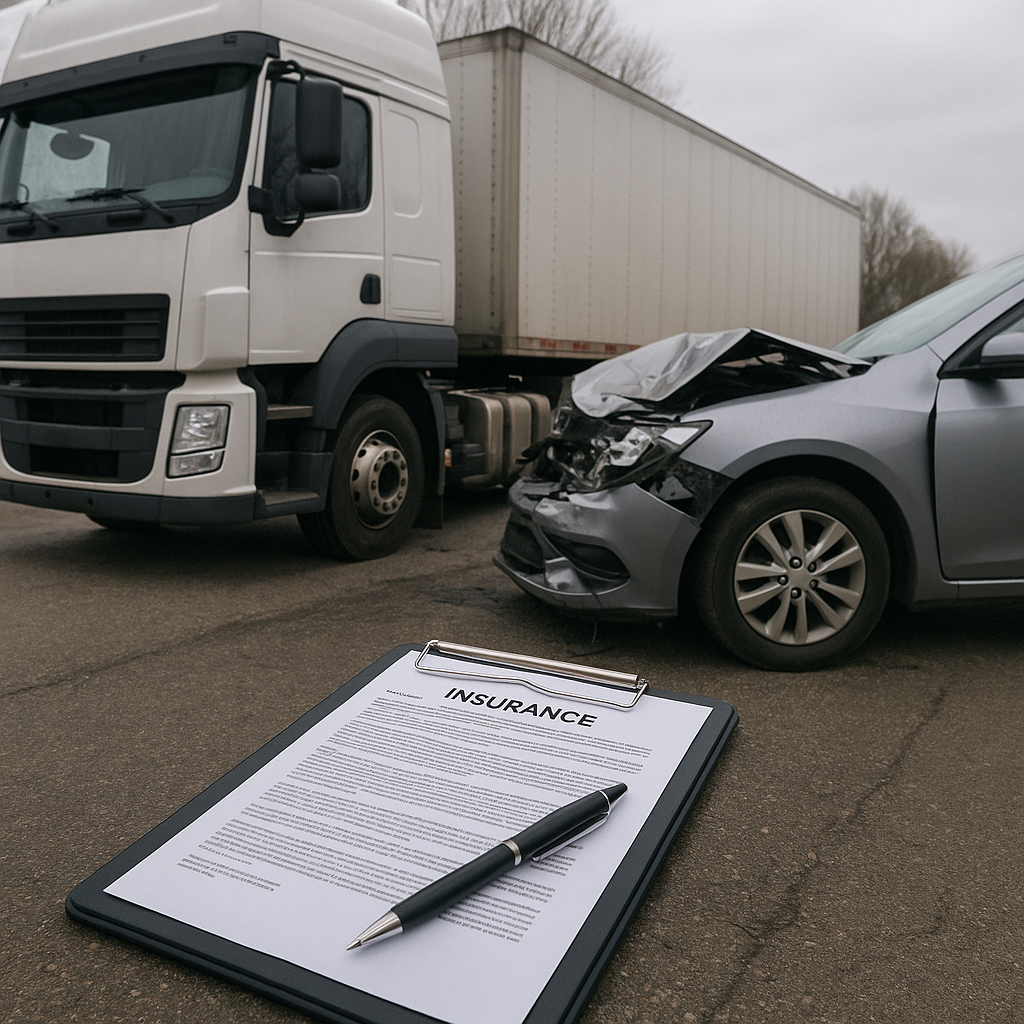
Investigations are systematic processes used to gather, assess, and analyze information surrounding an incident or series of events. In many contexts—including accidents, workplace incidents, or compliance checks—evidence collection and detailed examinations help clarify what happened. For incidents involving trucks or commercial vehicles, investigations may focus on physical evidence from the site, vehicle documentation, maintenance records, and electronic data such as telematics or dashcam footage.
When It Typically Occurs
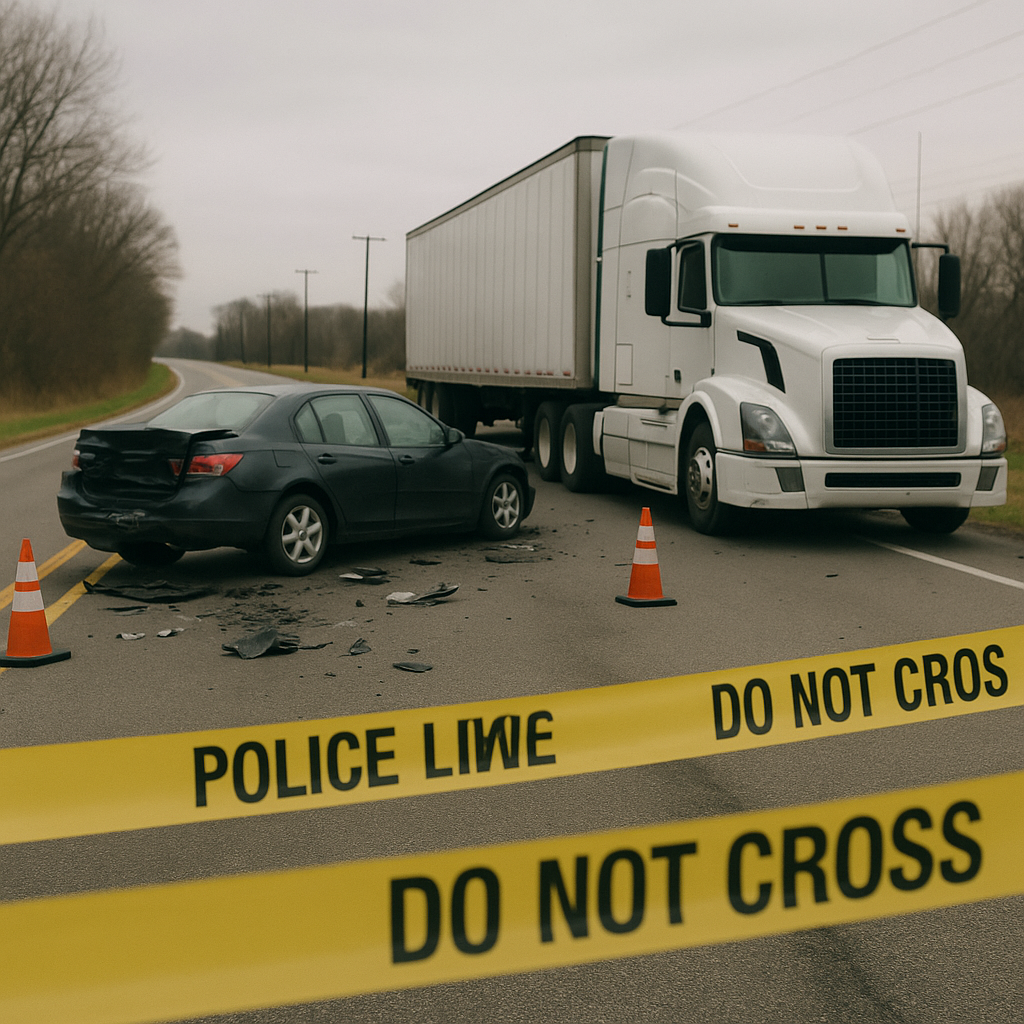
Investigations are most frequently initiated after an event or incident has been reported. Common triggers include traffic accidents, equipment failure, regulatory compliance reviews, or workplace safety concerns. In trucking and transportation industries, investigations often begin immediately after an accident, a mechanical breakdown, or a reported safety violation. The process is typically carried out by relevant authorities such as law enforcement, safety inspectors, or insurance investigators.
Types of Information Often Reviewed
Information gathered during an investigation can be extensive and may include:
– Photographs or video of the scene and vehicles involved
– Vehicle maintenance and inspection logs
– Driver qualification and logbook records
– Witness statements
– Electronic data recordings from onboard systems
– Weather and traffic reports at the time of the incident
– Physical evidence such as skid marks or damaged cargo
Each type of evidence contributes to reconstructing events and understanding potential causes or contributing factors.
Why Evidence Matters
Evidence serves as the foundation for drawing conclusions about what happened, why it occurred, and how similar incidents might be prevented in the future. It informs decision-making for legal proceedings, insurance settlements, regulatory actions, and policy improvements. For trucking incidents, robust evidence collection helps ensure accurate determinations of liability and facilitates improved safety standards.
Factors That Complicate Investigations
Multiple elements can restrict the completeness and accuracy of an investigation:
– Environmental factors: Weather conditions or lack of daylight can obscure or alter evidence at the scene.
– Evidence preservation: Time delays can result in the loss, destruction, or alteration of physical and digital evidence.
– Human factors: Memory lapses or biases may affect witness reliability.
– Data access: Technological limitations may impede retrieval of electronic logs, particularly if systems are damaged or data becomes corrupted.
– Regulatory complexity: Varying local, state, or federal rules regarding evidence handling can complicate multi-jurisdictional investigations.
In truck-related cases, these complexities are especially relevant, as large vehicles, substantial cargo, and the involvement of multiple stakeholders (such as drivers, carriers, and shippers) can expand the investigation’s scale and scope.
—
Investigation limitations, particularly in trucking incidents, highlight the importance of understanding the nuances and challenges involved in the evidence-gathering process and its impact on outcomes.