
Understanding Post Crash Evidence Disputes
What Evidence or Investigation Involves
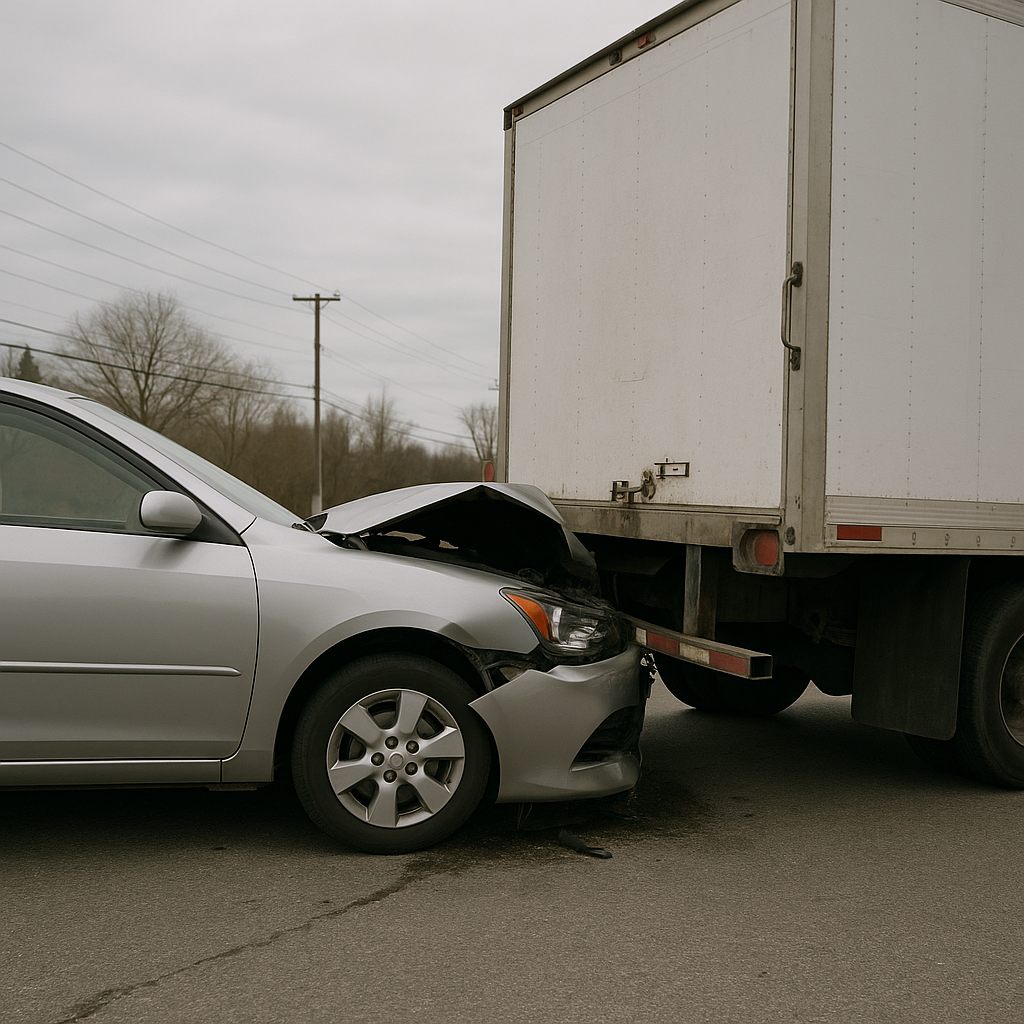
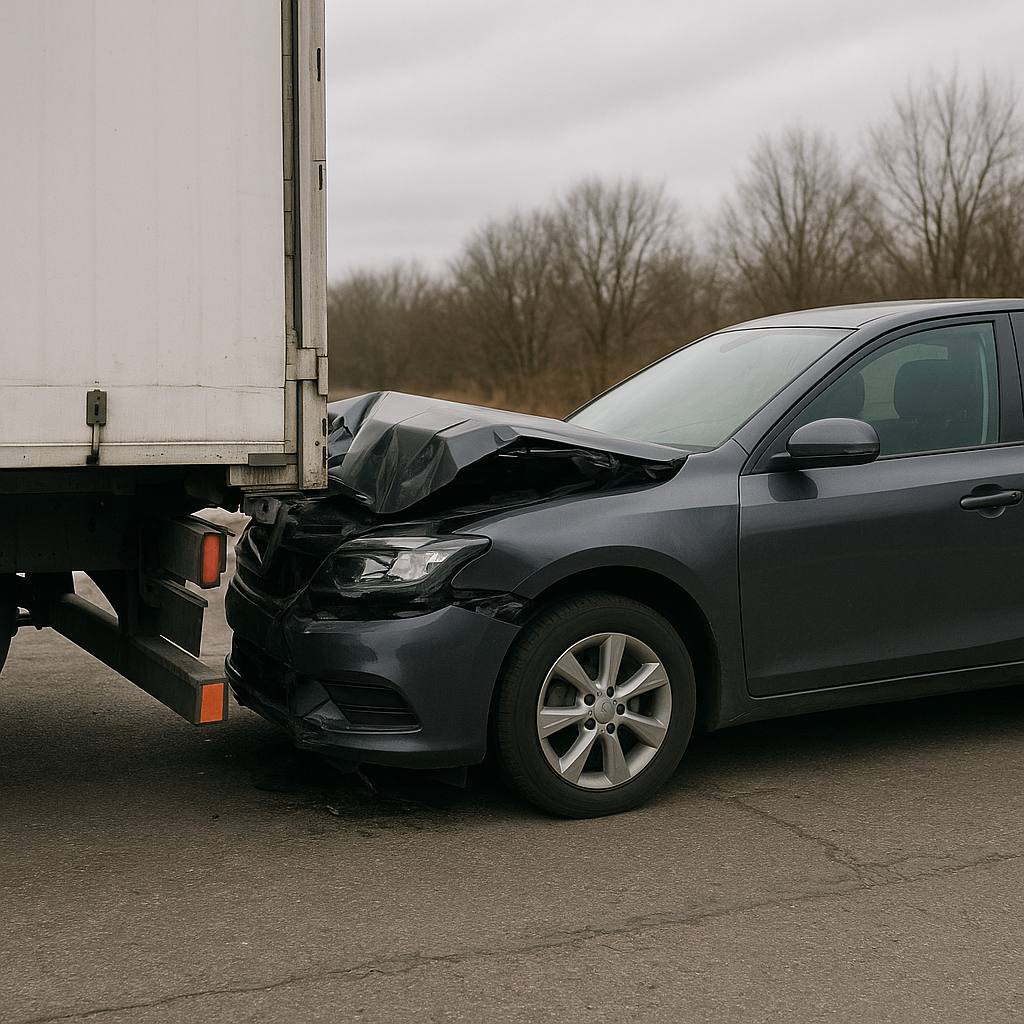
Post crash evidence disputes typically arise following motor vehicle accidents or similar incidents where the facts surrounding the event are contested. The investigation involves a systematic process of gathering, analyzing, and interpreting information to reconstruct the events that led to the crash. Multiple parties—such as law enforcement, insurance adjusters, crash reconstruction experts, and legal representatives—may become involved in the investigation process, each with a distinct role in interpreting the facts and contributing to the body of evidence.
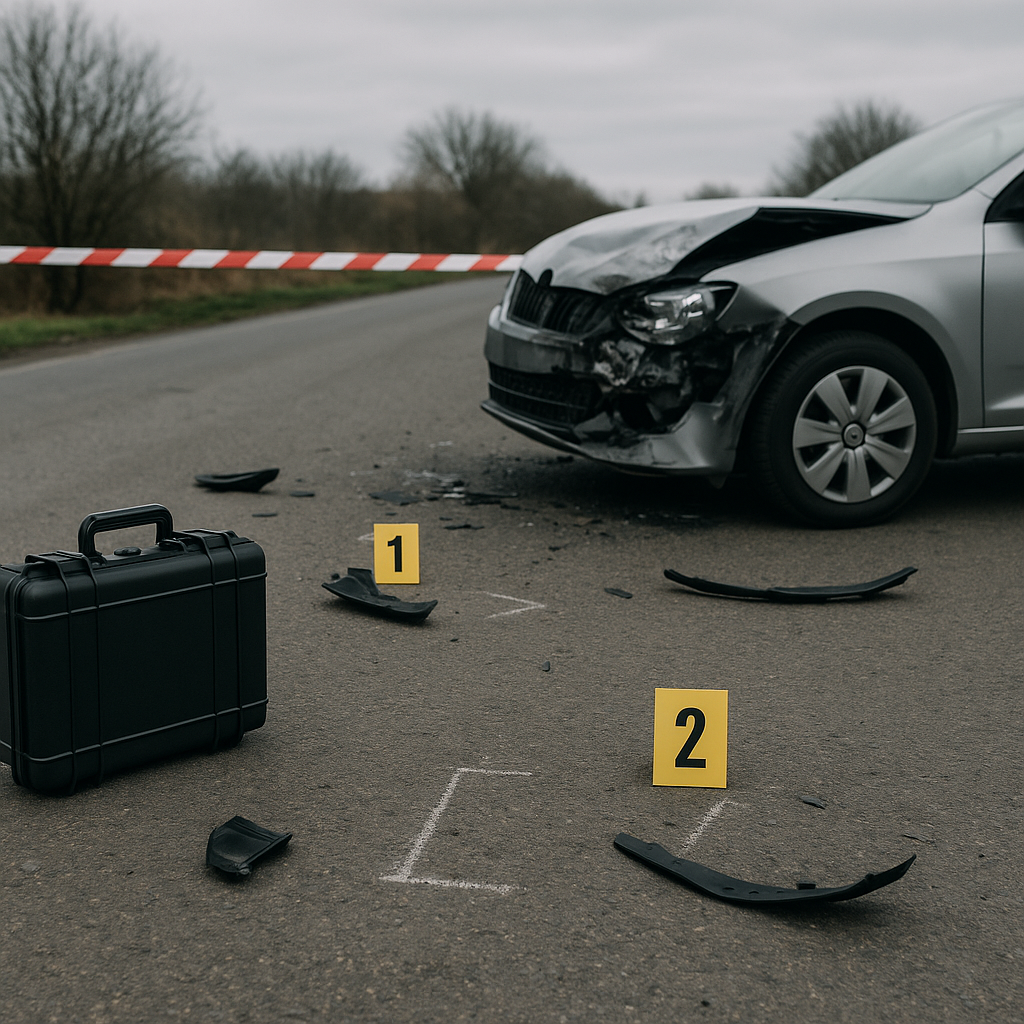
The primary objective of the evidence disputes investigation is to establish an accurate sequence of events, determine causality, and assign responsibility. Investigation activities include site inspections, collection of physical evidence, examination of vehicle and property damage, analysis of electronic data, and review of witness statements.
When It Typically Occurs
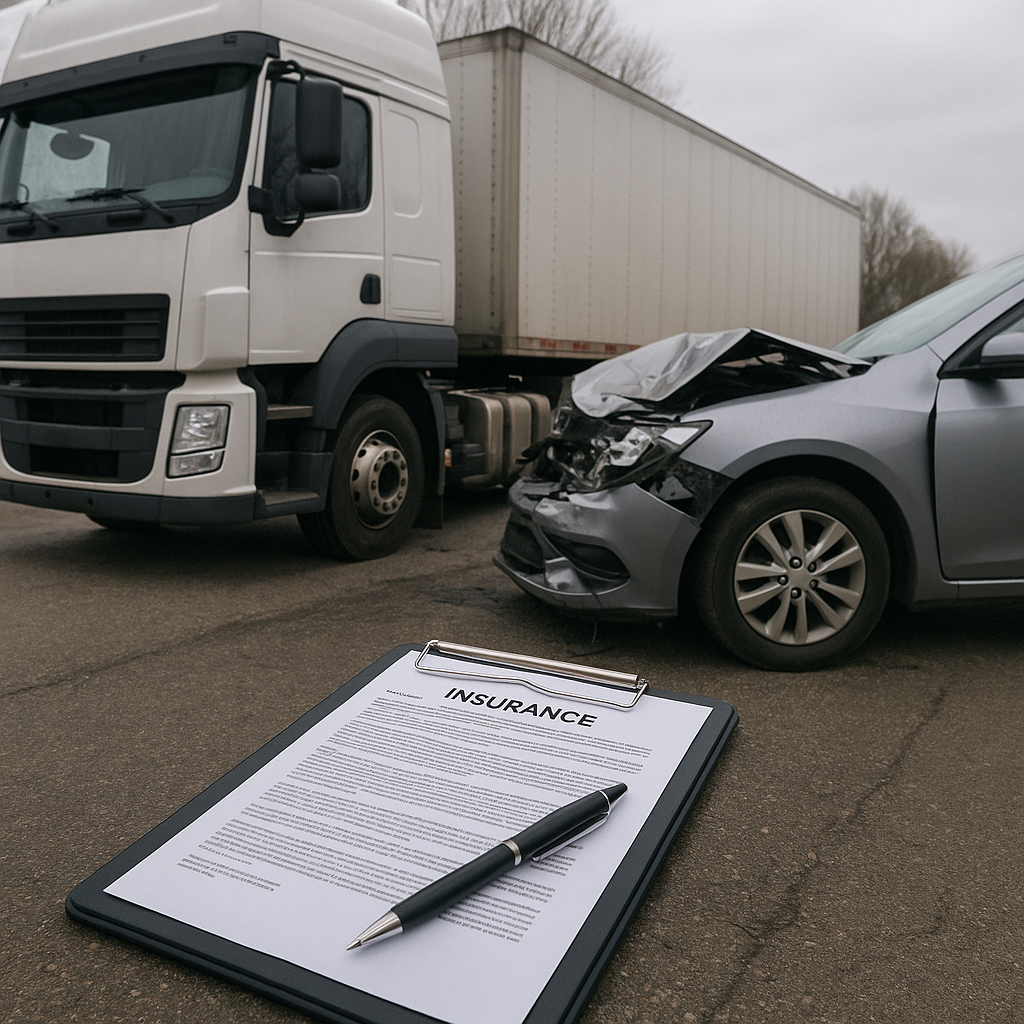
Evidence disputes and subsequent investigations typically occur in the immediate aftermath of a crash or during the claims, litigation, or regulatory review processes. Disputes may arise right after the event, especially when there are conflicting accounts, injuries, or significant property damage. They are also commonly seen when insurance claims are filed and the parties involved hold differing narratives or contest liability.
The timing of the investigation may vary based on the complexity of the case, the severity of the incident, and legal or procedural requirements. Sometimes, investigations are revisited months or even years after the crash if new evidence emerges or if the case escalates into a legal dispute.
Types of Information Often Reviewed
– Physical Evidence: Skid marks, debris patterns, vehicle damage, road conditions, and traffic signs are carefully documented.
– Electronic Data: Event data recorders (often referred to as “black boxes”) in vehicles, dashcam recordings, and GPS data provide critical insights.
– Photographic and Video Evidence: Footage from traffic cameras, security systems, or bystanders’ devices can reveal important details.
– Witness Statements: Testimonies from drivers, passengers, pedestrians, and first responders are collected and scrutinized.
– Official Reports: Police and emergency service reports often form a foundational record.
– Medical Records: Injury reports assist in understanding the forces and sequence involved in the crash.
These diverse sources of information are analyzed collectively to reconstruct the incident and identify factual inconsistencies.
Why Evidence Matters
The outcome of post crash evidence disputes often depends on the integrity and interpretation of the available evidence. Accurate evidence provides clarity in contested situations, influencing the assignment of fault, insurance settlements, and legal verdicts. It is often the deciding factor in:
– Liability determinations
– Resolution of insurance claims
– Legal proceedings and court decisions
– Safety recommendations or regulatory action
Without clear evidence, disputes may remain unresolved, leading to prolonged legal and financial uncertainty for involved parties.
Factors That Complicate Investigations
Several elements can complicate the evidence disputes investigation process:
– Loss or Degradation of Evidence: Weather, time, or improper handling can result in critical information being lost or corrupted.
– Conflicting Accounts: Divergent testimonies from those involved or witnesses can obscure the facts.
– Technological Limitations: Malfunctioning or absent data recording devices hinder the availability of electronic records.
– Multiple Vehicle or Party Involvement: Incidents involving numerous parties or vehicles create complex webs of interaction and liability.
– Legal and Procedural Barriers: Restrictions on evidence access or jurisdictional challenges may hamper thorough investigation.
A careful approach to gathering, preserving, and analyzing all available evidence is essential for addressing post crash evidence disputes and arriving at objective conclusions.