
What Role Insurance Plays in Truck Injury Cases
Overview of Insurance or Liability Issues
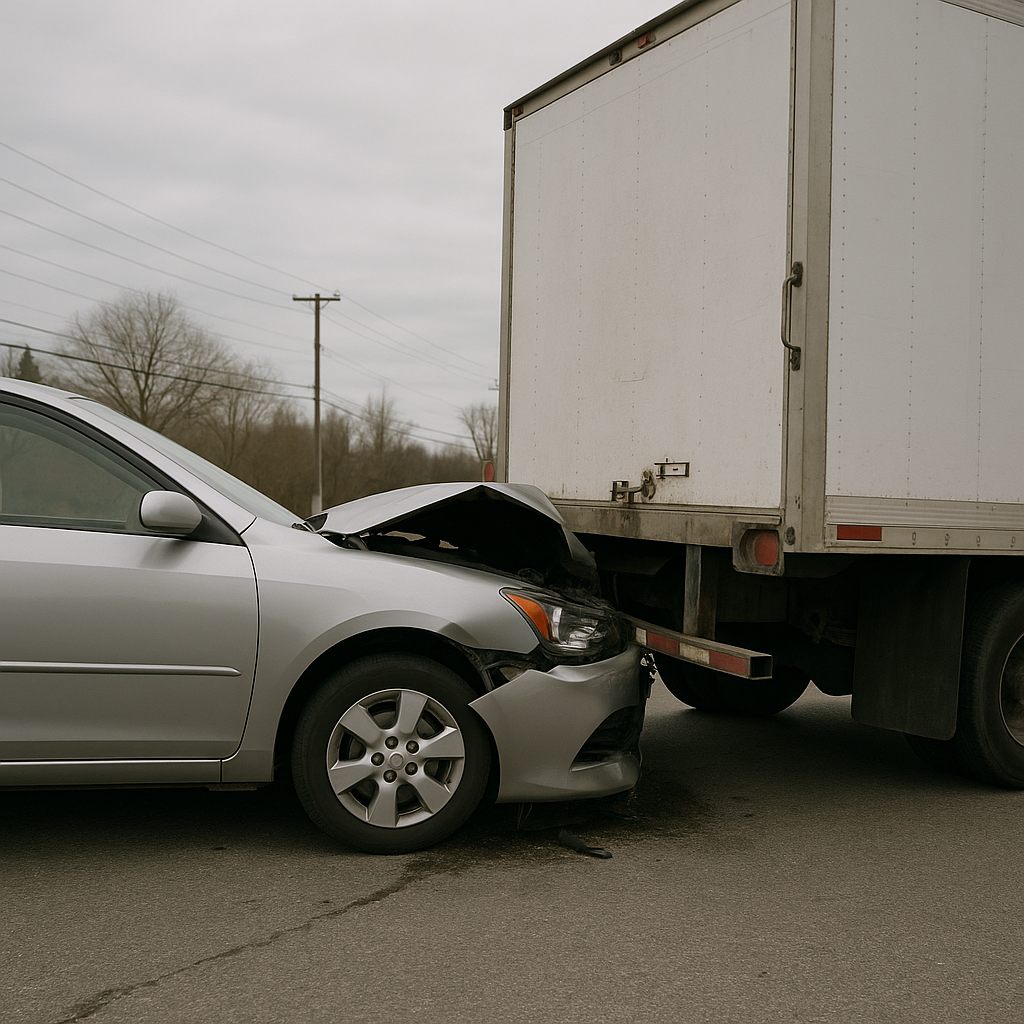
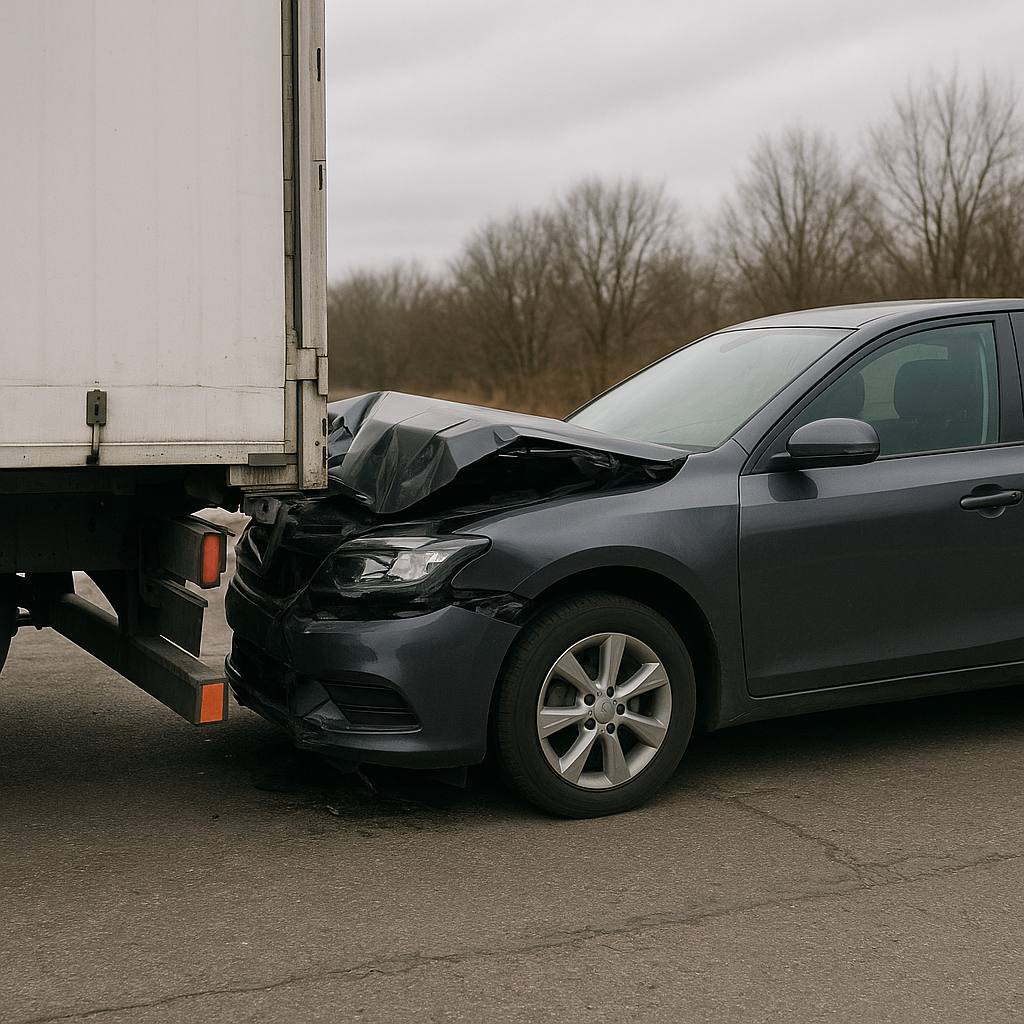
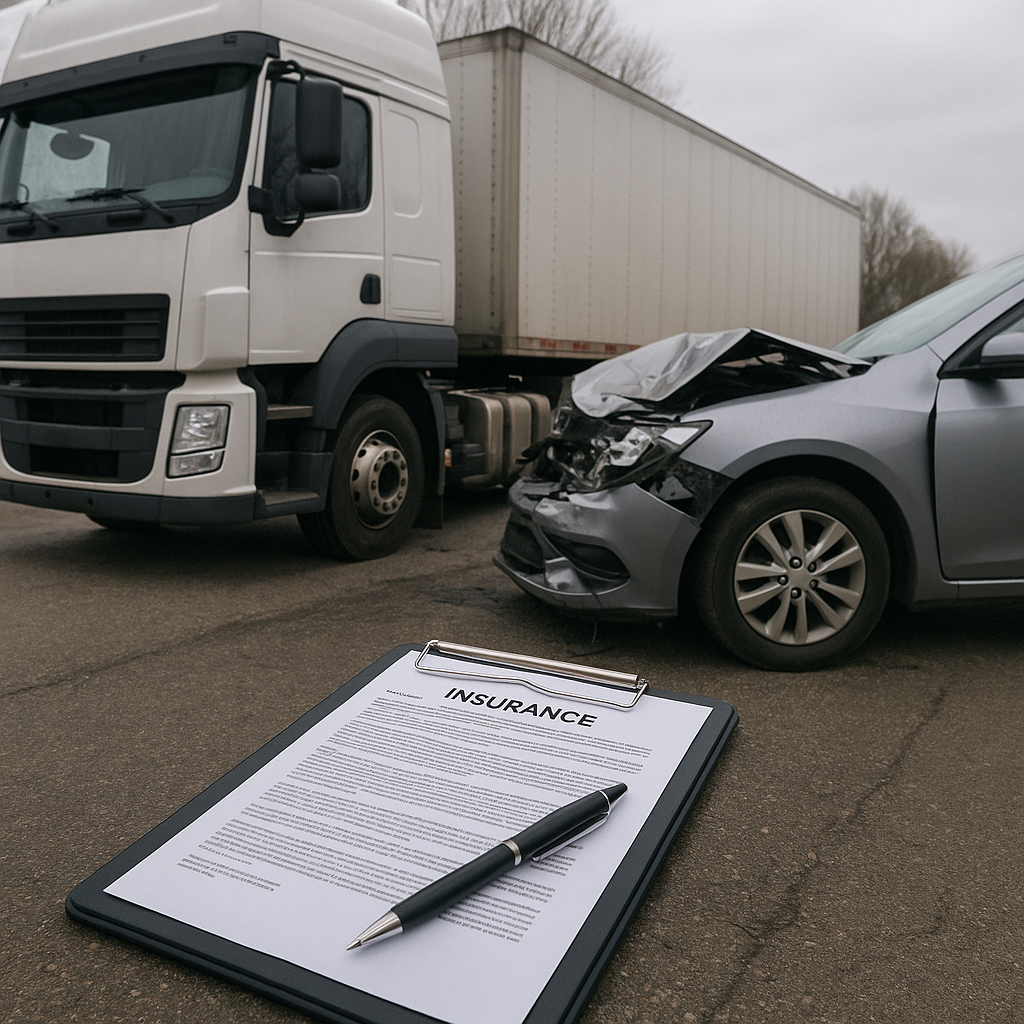
The role of insurance in truck injury cases is both complex and significant. Commercial trucks are heavier, larger, and capable of causing more damage compared to passenger vehicles. As a result, truck accidents can lead to substantial claims involving significant injuries, property destruction, and even fatalities. Trucking companies, drivers, and the businesses that hire them must therefore comply with both state and federal regulations requiring substantial insurance coverage.
Insurance, in this context, primarily serves as a financial safeguard. It protects individuals and businesses against the high costs that can result from accidents, including medical expenses, vehicle repairs, lost wages, and liability claims. Yet, the insurance role in truck injury cases extends beyond providing funds for these losses. Because of the increased stakes and higher policy limits, insurance companies often become deeply involved in investigating, negotiating, and resolving these cases.
Liability, meanwhile, refers to who is legally responsible for damages resulting from the accident. Truck accidents can involve numerous liable parties, which makes determining responsibility and the corresponding insurance obligations more complex than in standard car accidents.
How These Issues Arise After Truck Accidents
After a truck accident, several insurance and liability issues arise almost immediately. First, an assessment must be made regarding fault. Was the truck driver negligent? Did a third party contribute to the accident? Or did a mechanical failure involving the vehicle play a role?
These questions must be answered because insurance policies typically cover only specified risks and parties. Commercial trucking operations often involve layered liability, meaning that multiple policies might apply—such as those held by the driver, the trucking company, contractors, or shippers.
Once claims are filed, insurers investigate the accident to verify coverage, clarify the extent of their obligations, and determine the amount they may be required to pay. This process can involve examining police reports, vehicle inspections, witness statements, and trucking records. Issues can arise if an insurance provider disputes liability, the amount of damages, or the applicability of the policy.
Additionally, truck accidents often cross state lines, triggering complications related to jurisdiction and coverage limits, as both state and federal rules apply to commercial trucking insurance. The Federal Motor Carrier Safety Administration (FMCSA) sets minimum insurance requirements for interstate trucking, which tend to be greater than those required for private drivers. Trucking companies may need to carry several types of coverage beyond basic liability, such as cargo insurance and environmental liability.
Parties Commonly Involved
Truck injury cases nearly always involve several parties, reflecting the collaborative nature of the trucking industry and the high value of claims. The following parties are commonly involved:
– Truck Driver: The individual behind the wheel, whose actions or inactions are often scrutinized first in assigning liability.
– Trucking Company (Carrier): The company that owns or operates the truck. Carriers are often legally liable for the actions of their drivers, especially if the driver is an employee.
– Truck Owner: In some cases, the truck may be owned by a party separate from the carrier or driver. This could be a leasing company or an independent owner-operator.
– Shippers and Brokers: The businesses that hire the trucking service may bear some liability, especially if they failed to properly vet the carrier or contributed to overloading or unsafe loading.
– Manufacturers and Maintenance Providers: Defective vehicles or parts, or inadequate maintenance, can also lead to accidents and implicate other companies in the liability chain.
– Insurance Companies: Each of these entities may have their own insurers, further complicating the claims process.
The intersection of all these parties and their respective insurers forms a network of potentially overlapping coverages, legal responsibilities, and claims.
Common Sources of Confusion
Truck injury cases present several recurring challenges and sources of confusion regarding insurance and liability:
Multiple Insurance Policies
Unlike typical car accident cases, truck injury claims may involve multiple insurance policies. The driver, the carrier, the trailer owner, and the shipper may all hold different policies. Each policy may cover differing aspects of an incident (vehicle damage, cargo loss, personal injury, third-party liability), leading to disputes about which insurer pays what, and in what order.
Employee Versus Independent Contractor Issues
Some truck drivers work directly for a carrier, while others operate as independent contractors. The distinction can have far-reaching implications for liability and insurance responsibility. Determining whether an at-fault driver is an employee or contractor can shape whether the trucking company’s insurance is accessible to pay a claim.
Federal and State Law Overlap
Both state laws and federal regulations govern commercial trucking insurance. Federal insurance requirements set minimum coverage limits for trucks crossing state lines, but states may impose additional mandates. This overlap may impact the available policy limits, and disputes often arise about which rules apply, especially if the accident occurred in a different state than where the company is based.
Determining Fault and Causation
Truck accidents can result from a myriad of factors, including driver fatigue, mechanical defects, hazardous road conditions, or mistakes by other drivers. Insurers and legal teams may disagree about the primary cause, or whether multiple parties contributed to the incident, complicating the process of resolving claims and allocating insurance responsibility.
Coverage Exclusions
Insurance policies are contracts that outline what is, and is not, covered. Policies may include exclusions for certain activities or conditions—such as driving under the influence or carrying hazardous cargo without proper disclosure. These exclusions can be a source of contention and may lead to denied claims or coverage litigation.
Accident Severity and Damages
Truck accidents often cause catastrophic losses due to their size and weight. Injuries may be life-altering or fatal, and property damage can be extensive. The scale of these losses may push claims above standard policy limits, necessitating the involvement of umbrella or excess insurance policies, or potentially leading to disputes over how damages are calculated and distributed among multiple claimants.
Why Truck Cases Differ from Car Accidents
Truck injury cases are distinct from car accident cases in several critical ways:
– Complexity of Liability: Unlike most car accidents, where typically only two drivers and their insurers are involved, truck accidents may encompass multiple parties, each with their own insurance policies.
– Higher Insurance Requirements: Commercial trucks are required to maintain significantly higher policy limits due to the potential for severe damage or injury.
– Federal Oversight: The trucking industry is regulated at both the state and federal levels, resulting in more intricate insurance obligations.
– Severity of Injuries and Damages: The sheer size and mass of trucks often translate into greater risk and higher potential losses, which can heighten conflicts over fault and coverage.
– Specialized Investigation and Litigation: Truck accident cases often demand detailed investigation, expert analysis, and specialized legal knowledge to address technical issues related to vehicle operation, maintenance, and industry standards.
Taken together, these factors contribute to a landscape where the insurance role in truck injury cases is both complex and pivotal, with significant consequences for all parties involved.