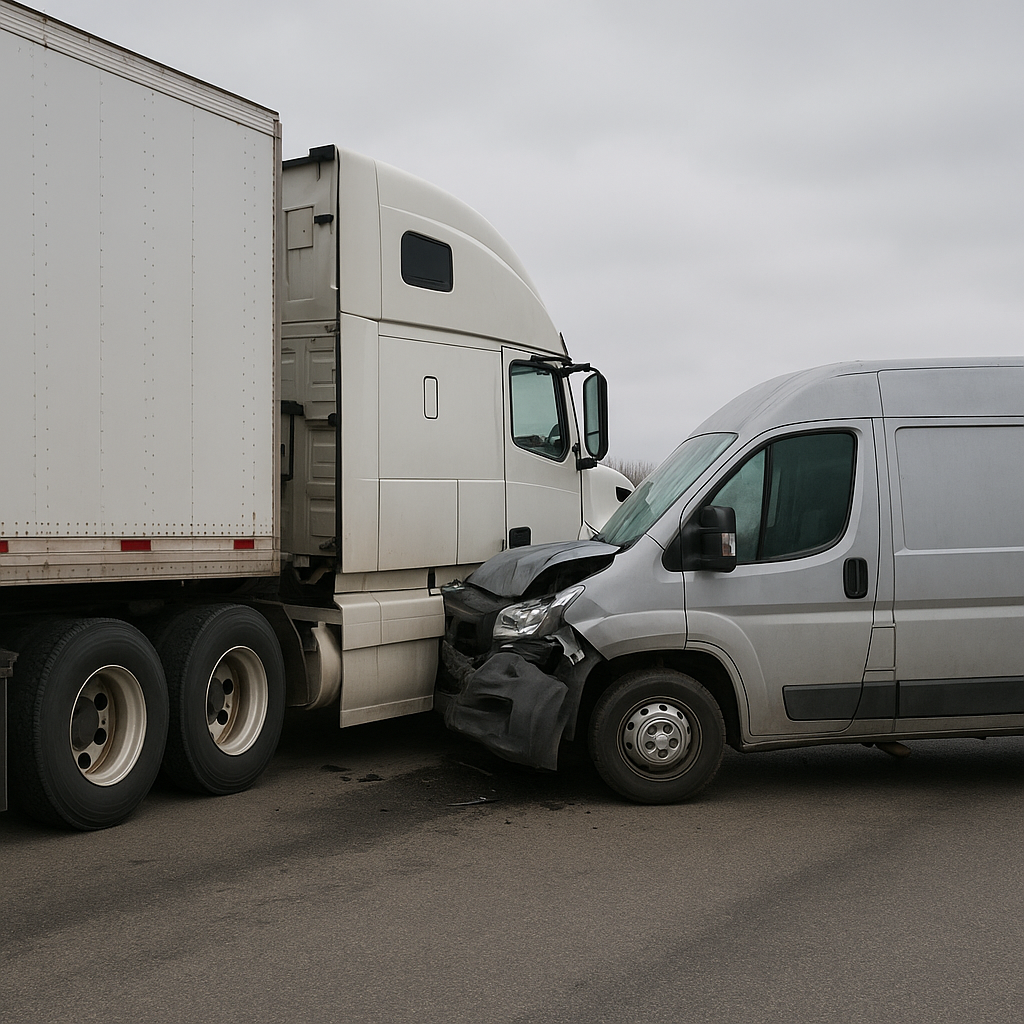


How Trucking Insurers Review Injury Claims
Navigating a truck injury claim can be a complex and daunting process. When accidents involving large trucks occur, the aftermath can be severe, leading to significant injuries, substantial property damage, and complicated insurance claims. Understanding how trucking insurers review these claims is crucial for anyone involved in or affected by such incidents.
What Filing or Managing a Claim Involves
Filing and managing a truck injury claim is a detailed process that starts almost immediately after an accident occurs. The process involves several key steps that need to be meticulously followed to ensure all pertinent information is collected and presented for the insurer’s examination.
Initiating a claim often begins with notifying the involved insurance company about the incident. This involves providing a clear, concise account of what happened, along with any immediate details regarding the aftermath. It is essential to send accurate descriptions, including the date, time, location, and the people involved, as quickly as possible. Depending on the jurisdiction and specific circumstances of the accident, additional information such as police reports and witness statements may also be required.
When This Step Usually Occurs
The process of filing a truck injury claim typically commences shortly after the accident. Prompt action is crucial because many insurance policies have specific time limits for reporting incidents. Additionally, starting the process early helps ensure that evidence is fresh and readily available. Once the claim is filed, the insurance company’s investigation begins, which may involve sending adjusters to assess the damage, interviewing involved parties, and reviewing any pertinent documentation.
What Information Is Commonly Required
When filing a truck injury claim, several pieces of information are routinely necessary to facilitate a thorough review by the insurer. This documentation provides a comprehensive understanding of the incident and its repercussions. Commonly required information includes:
– Accident Report: An official report from law enforcement or highway patrol that outlines the incident is vital for insurers. This report often contains critical details, including statements from witnesses and a professional assessment of the accident’s cause.
– Medical Records: Documentation of injuries sustained as a result of the accident is crucial. This includes hospital records, doctor’s notes, and treatment plans, which help insurers evaluate the extent of injuries and potential compensation.
– Photographic Evidence: Photos of the accident scene, vehicle damages, and any visible injuries provide tangible evidence that can support your claim.
– Repair Estimates: Detailed estimates or invoices for vehicle repairs are necessary to substantiate claims for property damage.
– Testimonies: Statements from eyewitnesses or expert witnesses, such as medical professionals or accident reconstruction specialists, may be required to validate specific aspects of the claim.
Common Challenges People Face
Filing and managing truck injury claims present several challenges. One of the primary difficulties is dealing with the extensive documentation required by insurers. Collecting, organizing, and presenting this information can be overwhelming, especially for individuals still recovering from injuries or trauma associated with the accident.
Another common challenge is communicating effectively with insurance companies. Insurers are typically large, corporate entities with specific protocols and formal processes, which can be intimidating or confusing for claimants unfamiliar with the system. Miscommunication or incomplete submissions might delay the claim process, potentially impacting compensation outcomes.
Additionally, disputes about liability can complicate claims. Truck accidents often involve multiple parties, including drivers, trucking companies, and manufacturers. Determining fault may not be straightforward, and disagreements over responsibility can lead to prolonged negotiations or legal actions.
Factors That Affect Claim Complexity
Several factors contribute to the complexity of truck injury claims. Understanding these can help set realistic expectations for the review process.
– Severity of the Accident: The more severe the accident and the greater the resulting injuries, the more complex the claim typically becomes. Severe accidents may involve more extensive medical treatment, longer recovery periods, and larger compensation amounts, all of which require meticulous documentation and evaluation.
– Number of Parties Involved: Truck accidents often involve multiple vehicles and parties. Claims that involve numerous entities – such as other drivers, trucking companies, and insurance providers – naturally become more complicated.
– Jurisdictional Variations: Different states or regions may have varying laws and regulations regarding insurance claims, which can affect how a claim is processed and evaluated. Understanding the legal landscape specific to the accident location is essential for successful claim management.
– Insurance Policy Details: Every insurance policy is different and may contain specific clauses that affect how claims are handled. Policy limits, exclusions, and deductibles can all influence the insurer’s response to a claim.
In conclusion, understanding how trucking insurers review injury claims involves grasping the intricacies of the filing and management process, the timeline involved, and the documentation required. Being aware of the challenges claimants face, along with the factors that add complexity, is essential for anyone navigating this process. While truck injury claims can be intricate and challenging, being informed about what to expect can facilitate a smoother, more manageable experience.